
 By
By 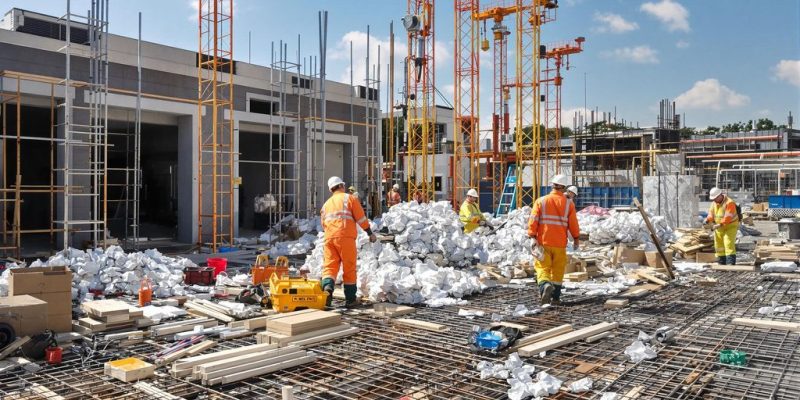
Historical Use of Asbestos in Building Projects
Asbestos has been a go-to material in construction for decades. Its natural properties—like heat resistance and strength—made it incredibly attractive for builders in the mid-20th century. It was commonly found in insulation, roofing, and even cement. Back then, people didn’t fully understand the health risks, so its use was widespread. Asbestos was once seen as a miracle material, especially for fireproofing and durability in homes and commercial buildings.
Common Types of Asbestos-Containing Materials
There are several types of materials where asbestos was typically used. Some of the most common include:
- Insulation materials: Often used in attics and around pipes.
- Roofing shingles and tiles: Durable and resistant to weather.
- Cement products: Frequently mixed with asbestos for added strength.
These materials were favored because they were cost-effective and long-lasting, but they also posed hidden dangers.
Health Risks Associated With Asbestos Exposure
The dangers of asbestos became clear over time. Its tiny fibers, when disturbed, can be inhaled and cause serious health issues. Diseases like asbestosis, lung cancer, and mesothelioma are directly linked to asbestos exposure. Unfortunately, symptoms often take years to appear, making early detection nearly impossible. This is why regulations are now so strict—protecting workers and the public has become a priority.
The Role of Asbestos in the Construction Materials Supply Chain
How Asbestos Became Integrated Into Supply Chains
Asbestos found its way into construction supply chains during the 19th and 20th centuries, largely due to its unique properties. It was heat-resistant, durable, and inexpensive, making it an attractive material for builders. Manufacturers quickly adopted asbestos for products like insulation, cement, and roofing materials. Over time, its use became so widespread that it was nearly impossible to avoid in construction projects. The material’s affordability and versatility solidified its role in the industry for decades.
Key Industries Affected by Asbestos Use
Several industries were deeply impacted by asbestos, but construction was arguably the most affected. Residential and commercial buildings relied heavily on asbestos-containing materials (ACMs) for insulation, fireproofing, and structural components. Other industries, like shipbuilding and automotive, also used asbestos extensively in their manufacturing processes. The ripple effects of asbestos usage extended into areas like mining and product distribution, creating a vast network of dependency on this material.
Global Distribution of Asbestos-Containing Products
The global trade of asbestos-containing products reached its peak in the mid-20th century. Countries with abundant asbestos mines, such as Russia, Canada, and Brazil, became major exporters. These materials were then shipped worldwide, often without clear labeling or warnings about potential health risks. Asbestos-containing products were used in everything from cement sheets to brake pads, contributing to their widespread presence. Today, efforts like the NESHAP regulations aim to mitigate the risks associated with these materials by controlling asbestos emissions during demolition or renovation activities.
Regulations Governing Asbestos in Construction
International Standards for Asbestos Management
Internationally, asbestos regulations vary widely. Some countries have implemented outright bans, while others still permit its use under strict conditions. The Rotterdam Convention, for example, requires prior informed consent before asbestos trade between nations. This ensures transparency but doesn’t eliminate its use globally. Countries that lack stringent enforcement often face challenges in protecting workers and the public from asbestos exposure.
U.S. Laws on Asbestos in Building Materials
In the United States, asbestos regulations are primarily enforced by the Environmental Protection Agency (EPA) and the Occupational Safety and Health Administration (OSHA). The EPA’s Asbestos Hazard Emergency Response Act (AHERA) mandates asbestos management in schools, while OSHA focuses on workplace safety standards. Additionally, the Clean Air Act prohibits certain asbestos-containing products. For more detailed information on these laws, refer to a comprehensive listing of laws and regulations related to asbestos, established by the EPA and other federal agencies.
Compliance Challenges for Construction Companies
Construction companies often struggle with compliance due to the complexity of regulations. Identifying asbestos in older buildings, ensuring proper abatement procedures, and maintaining worker safety all require significant resources. Moreover, fines for non-compliance can be steep, adding to the financial burden. Miscommunication between contractors and regulatory bodies can further complicate adherence to these laws. A proactive approach, including regular training and audits, can help mitigate these challenges.
Identifying Asbestos in Modern Construction Materials
Techniques for Detecting Asbestos in Materials
Proper detection of asbestos in construction materials is a critical step in maintaining safety. One of the most reliable methods involves laboratory analysis, where material samples are tested under controlled conditions to confirm the presence of asbestos fibers. Field inspections can also include the use of polarized light microscopy (PLM) and transmission electron microscopy (TEM) to identify asbestos fibers.
For those working on-site, visual identification is sometimes possible, although it is not foolproof. Often, older materials like insulation, tiles, or cement products are flagged for further testing. If you’re unsure, it’s always safer to consult professionals who specialize in asbestos detection.
Role of Laboratories in Asbestos Identification
Laboratories play a vital role in the accurate identification of asbestos. By using advanced testing methods, such as PLM and TEM, they can determine both the type and concentration of asbestos fibers in a sample. These labs are also instrumental in analyzing bulk materials like roofing, flooring, and insulation.
Certified labs ensure compliance with regulatory standards, offering detailed reports that help construction companies make informed decisions. These reports also serve as documentation for legal and safety purposes, especially in projects involving asbestos abatement.
Common Misconceptions About Asbestos-Free Labels
The term “asbestos-free” can be misleading. Some products labeled as such may still contain trace amounts of asbestos, often below regulatory thresholds. This creates a false sense of security, especially for those working in construction or renovation.
It’s important to understand the regulations surrounding these labels. For instance, in some regions, materials with asbestos content below 1% can still be classified as “asbestos-free.” Always verify with certified testing and consult experts when in doubt. Awareness and education are key to avoiding unnecessary risks.
Alternatives to Asbestos in the Construction Industry
Innovative Materials Replacing Asbestos
The construction industry has been moving away from asbestos due to its health risks, and several safer materials have emerged as alternatives. Some of these include:
- Cellulose fiber: Made from plant-based materials, this option is not only safer but also environmentally friendly. It’s commonly used for insulation purposes.
- Polyurethane foam: A lightweight and versatile material that provides excellent insulation and fire resistance.
- Amorphous silica fabrics: These are highly durable and can withstand extreme temperatures, making them ideal for industrial applications.
Homeowners, for instance, can explore safer construction materials like cellulose fiber for their renovation needs. These alternatives ensure both durability and safety.
Cost Implications of Using Asbestos Alternatives
Switching to asbestos alternatives can initially seem costly. However, when considering long-term benefits, such as reduced health risks and lower liability costs, the investment is worthwhile. Materials like cellulose fiber and polyurethane foam are widely available, and their prices have become more competitive over time. Moreover, the reduced need for specialized handling and disposal of hazardous materials can offset upfront expenses.
Environmental Benefits of Asbestos-Free Products
Using asbestos-free products contributes significantly to environmental safety. Unlike asbestos, which can contaminate soil and water, alternatives like cellulose fiber and amorphous silica fabrics are biodegradable or recyclable. This shift not only protects ecosystems but also minimizes waste in landfills. Additionally, the production of these materials often has a smaller carbon footprint, further supporting global sustainability efforts.
The Economic Impact of Asbestos on the Construction Sector
Costs of Asbestos Removal and Abatement
Removing asbestos from construction sites isn’t just a health priority—it’s a financial one, too. The expenses tied to asbestos removal can be staggering, often running into thousands or even millions of dollars for large-scale projects. These costs typically include specialized labor, equipment, and disposal fees. Regulations mandate strict safety measures, which further drive up the price. For construction companies, budgeting for asbestos abatement is a critical step to avoid unexpected financial strain.
Insurance and Liability Issues Related to Asbestos
Insurance policies in the construction sector often include clauses for asbestos-related liabilities, but navigating these can be tricky. Companies may face lawsuits from workers or residents exposed to asbestos, leading to hefty settlements. Insurers are cautious, and premiums for asbestos coverage are often steep. For businesses, understanding their policy limits and exclusions is essential to avoid gaps in coverage.
Economic Burden of Asbestos-Related Health Claims
The health impacts of asbestos exposure, such as mesothelioma and asbestosis, lead to long-term financial consequences. Workers in industries like construction and shipbuilding frequently file claims for medical expenses and lost wages. Governments and private insurers spend billions annually on asbestos-related healthcare. For affected individuals, the costs are not just financial but deeply personal, as highlighted in long-term effects of asbestos exposure.
Asbestos Supply Chain Challenges and Risks
Illegal Trade of Asbestos-Containing Materials
The illegal trade of asbestos-containing materials remains a significant issue, despite bans and restrictions in many countries. Black-market operations often exploit regulatory loopholes, enabling the distribution of these hazardous products. This trade not only undermines public health but also creates unfair competition for businesses adhering to the law. Smuggled asbestos products can be difficult to trace, making enforcement of bans a persistent challenge.
Supply Chain Transparency Issues
A lack of transparency in the supply chain further complicates efforts to eliminate asbestos use. Many construction companies unknowingly purchase materials containing asbestos fibers due to insufficient labeling or deceptive practices by suppliers. This makes it vital for businesses to adopt rigorous auditing processes and demand certifications from their suppliers. Transparency can help reduce the risk of asbestos exposure and improve trust within the industry.
Impact of Bans on Asbestos Availability
While bans on asbestos are a step toward public safety, they also disrupt established supply chains. Industries that relied heavily on asbestos have faced challenges in sourcing alternative materials. This transition often involves increased costs and logistical hurdles. Additionally, some countries with less stringent regulations continue to produce and export asbestos, creating a fragmented global market. Addressing these disparities is essential for achieving a unified approach to asbestos management.
Best Practices for Managing Asbestos in Construction Projects
Developing an Asbestos Management Plan
Creating a solid asbestos management plan is the foundation of handling asbestos in construction projects. A well-documented plan ensures safety and compliance with regulations. Start by conducting a comprehensive asbestos survey to identify areas of concern. Once identified, assess the risks associated with these materials and outline clear procedures for managing them. Ensure your plan includes regular updates to reflect any changes in the building structure or regulations. For more on conducting thorough surveys and assessments, see asbestos survey.
Training Workers on Asbestos Safety
Proper training is critical for anyone working in environments where asbestos might be present. Workers should be educated about the dangers of asbestos exposure, how to recognize asbestos-containing materials, and the correct procedures for handling them. Training should also cover the use of personal protective equipment (PPE) and emergency response protocols. This step not only protects workers but also ensures compliance with safety laws. For additional safety measures during removal, check asbestos removal tips.
Using Certified Contractors for Asbestos Removal
When it comes to asbestos removal, hiring certified contractors is non-negotiable. These professionals have the expertise and equipment needed to remove asbestos safely and efficiently. Make sure the contractors you hire comply with all local and national regulations. Certified contractors will also take care of proper disposal, reducing the risk of environmental contamination. Always verify their credentials and ask for references before starting any project.
The Future of Asbestos in the Construction Materials Supply Chain
Trends in Asbestos Regulation and Enforcement
Over the years, governments and international bodies have been tightening regulations on asbestos use. Stricter enforcement measures are expected to reshape how industries approach asbestos in construction materials. For example, many countries are adopting total bans, while others are phasing out asbestos gradually. This shifting legal landscape creates both challenges and opportunities for the construction sector. Companies must stay updated on evolving laws to avoid penalties and ensure compliance.
Technological Advances in Asbestos Detection
Technological innovations are making it easier to identify asbestos in materials. From advanced scanning tools to AI-driven analysis, these technologies are improving accuracy and efficiency. Laboratories are also adopting new methods that provide faster results, which is critical during renovation or demolition projects. These advancements not only reduce risks but also streamline project timelines, allowing for safer practices in construction.
Global Efforts to Eliminate Asbestos Use
The push to eliminate asbestos is gaining momentum worldwide. Organizations like the World Health Organization (WHO) are advocating for a total ban on asbestos production and use. Meanwhile, developing nations are receiving support to transition to safer alternatives. This global effort is not just about health—it’s also about addressing the asbestos market’s growth, which remains significant despite bans in many regions. Collaborative initiatives are essential to reduce reliance on this hazardous material and promote sustainable construction practices.
Case Studies on Asbestos in Construction
Notable Incidents of Asbestos Mismanagement
Throughout history, there have been numerous instances where improper handling of asbestos led to serious consequences. One striking example is the contamination of schools in the 1980s, where asbestos insulation was improperly removed, exposing students and staff to hazardous fibers. This incident highlighted the dire need for stringent asbestos management protocols. Another case involved a residential building project where unlicensed contractors carried out demolition without testing for asbestos, resulting in widespread community exposure. These situations underscore the ongoing risks when asbestos is not managed responsibly.
Successful Asbestos Abatement Projects
On the other hand, there are shining examples of effective asbestos removal. A standout case is a large-scale hospital renovation where a certified team meticulously removed asbestos-containing materials, ensuring the safety of staff and patients. The project involved detailed planning, airtight containment zones, and round-the-clock air quality monitoring. Another success story is a public housing initiative that replaced asbestos-laden roofing with eco-friendly alternatives, greatly reducing health risks for residents. These projects demonstrate how proper planning and expertise can mitigate asbestos dangers.
Lessons Learned From Asbestos-Related Lawsuits
Legal cases surrounding asbestos often bring important lessons to light. For instance, a landmark lawsuit against a construction firm revealed that they knowingly used asbestos materials despite health warnings. The outcome not only resulted in significant financial penalties but also raised public awareness about corporate accountability. Another case involved a worker who developed mesothelioma due to prolonged asbestos exposure; the court ruling emphasized the employer’s negligence in providing protective gear. These lawsuits serve as stark reminders of the legal and ethical responsibilities tied to asbestos management.
For more real-world examples, explore asbestos case studies that delve into both licensed and unlicensed projects handled by professional teams.
Public Awareness and Education on Asbestos Risks
Role of Advocacy Groups in Raising Awareness
Advocacy groups play a significant role in educating communities about the dangers of asbestos exposure. These organizations often collaborate with health experts, policymakers, and researchers to spread reliable information. One of their main goals is to prevent exposure by promoting safe practices and regulations. They also work to support individuals affected by asbestos-related diseases, offering resources and guidance to help them navigate their challenges. Groups like this organization focus not only on public education but also on funding research for early detection and treatment of asbestos-related illnesses.
Educational Campaigns Targeting Construction Workers
Construction workers are among the most at-risk groups for asbestos exposure, making targeted education campaigns essential. Training sessions, workshops, and informational materials are often used to teach workers how to identify potential asbestos hazards on job sites. These campaigns emphasize the importance of using protective gear and following safety protocols. By educating workers about the risks, the industry can reduce the number of asbestos-related health issues in the long term. Awareness within this group is critical, as they are often the first line of defense against exposure.
Community Outreach on Asbestos Safety
Community outreach programs aim to inform the general public about asbestos risks and how to minimize them. These programs often include public seminars, informational brochures, and even local events to engage residents. They focus on practical advice, such as how to recognize asbestos-containing materials in older homes and the steps to take if asbestos is suspected. Outreach efforts also highlight the environmental risks of improper asbestos disposal, encouraging safe and responsible practices. With more informed communities, the overall risk of exposure can be significantly reduced.
Environmental and Health Implications of Asbestos Use
Long-Term Health Effects of Asbestos Exposure
Asbestos exposure has been linked to severe health issues that can take years to manifest. Diseases like mesothelioma, lung cancer, and asbestosis are directly tied to inhaling asbestos fibers over time. These illnesses often have long latency periods, meaning symptoms might not appear until decades after exposure. Even brief contact with asbestos can lead to life-threatening conditions, particularly when the fibers are disturbed and become airborne. In March 2024, the EPA took a significant step by announcing a ban on the ongoing uses of chrysotile asbestos, aiming to protect public health from these devastating illnesses.
Environmental Contamination From Asbestos Disposal
Improper disposal of asbestos-containing materials can lead to widespread environmental contamination. When these materials are not handled correctly, asbestos fibers can infiltrate soil and water sources, posing risks to both ecosystems and human populations. Old buildings undergoing demolition are a common source of such contamination, especially if safety protocols are not followed. The prevalence of asbestos in the environment highlights the importance of awareness of its dangers and exposure risks, ensuring both public and environmental health are safeguarded.
Strategies for Mitigating Asbestos-Related Risks
Minimizing asbestos risks requires a multi-faceted approach. Here are some effective strategies:
- Strict Compliance with Regulations: Adhering to local and international guidelines for asbestos handling and disposal is essential.
- Regular Monitoring: Conducting thorough inspections of older buildings to identify and address asbestos-containing materials.
- Promoting Alternatives: Encouraging the use of asbestos-free materials in construction projects to reduce dependency on this hazardous substance.
By implementing these steps, communities and industries can work together to mitigate the long-term impacts of asbestos on both human health and the environment.
Websites
Robert King Mesothelioma Law Services










Comments