
 By
By 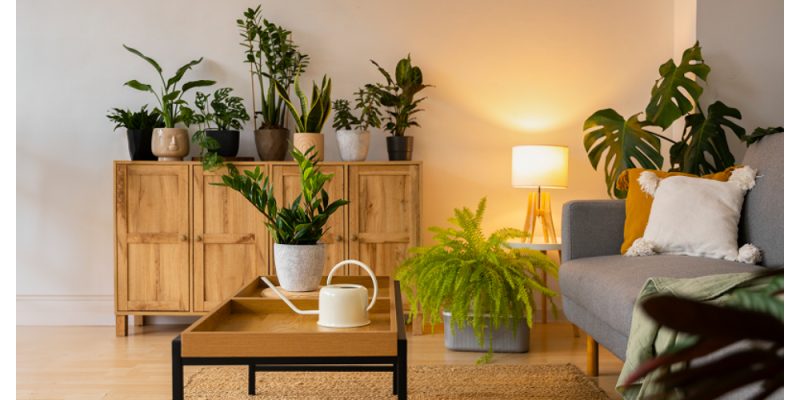
Ever looked at a lush rooftop garden or a home filled with greenery and thought, “That feels different”? That sense of calm, that instinctive pull toward natural spaces, is what urban biophilia is all about. In Singapore, where concrete towers rise higher each year, the idea of bringing nature indoors isn’t just about aesthetics; it’s a lifestyle choice.
The Idea Behind Urban Biophilia
Biophilia, simply put, is the human need to connect with nature. Urban biophilia takes that instinct and adapts it to city living. It’s about blending greenery, natural textures, and organic patterns into residential interior design so that even in the middle of the city, you feel rooted in something natural.
Think of it as a counterbalance to the urban grind. Between the constant hum of the MRT and the glow of screens, our minds crave something softer. Plants, earthy tones, and natural light can do wonders for that. Many homeowners now work with interior design and renovation experts to incorporate biophilic concepts without turning their flats into mini jungles.
Why It’s Catching On in Singapore
Let’s be honest, space in Singapore is a luxury. With compact HDB flats and high-rise condos, the need for visual openness and calm is stronger than ever. Urban biophilia answers that need. It helps soften small spaces, introduces natural light, and makes homes feel more breathable.
Plus, it’s not just about adding plants. Designers use materials such as bamboo, rattan, or stone to create a natural look. The sound of water from a small indoor fountain or the sight of textured walls that resemble natural patterns can evoke the same serenity as being in a park. When residential interior design embraces these details, it becomes more than décor—it’s about emotional well-being.
Nature Meets Technology (Yes, They Can Get Along)
Here’s where things get interesting. You might think technology and nature can’t coexist, but modern interior design and renovation trends say otherwise. Smart home systems can adjust lighting to mimic natural sunlight cycles. Automated irrigation keeps indoor plants alive without constant attention. Even air purifiers with moss filters are gaining traction in eco-friendly homes.
It’s a balance between sustainability and convenience, a very Singaporean mix of efficiency and mindfulness.
How to Add Biophilia to Your Home
You don’t need a full-scale renovation to make your home feel closer to nature. Start small. A few indoor plants, such as peace lilies or snake plants, can instantly transform the mood of a room. Add natural fabrics like linen or cotton for curtains and cushions.
If you’re up for a larger project, consider:
- Wooden finishes or terrazzo flooring for texture
- Large mirrors to reflect sunlight
- Open layouts that let air and light move freely
When planned properly, residential interior design inspired by biophilia creates a space that not only looks good but feels good every single day.
It’s About How You Feel at Home
You know what’s fascinating? People often notice a difference in their mood before they realise it’s the design that’s changed. A biophilic home can subtly reduce stress, improve concentration, and even help you sleep better. It’s design that heals, in a sense.
With Singapore’s growing interest in wellness-focused living, this isn’t just a passing trend. It’s part of a broader movement toward healthier, more conscious home environments. Whether you live in a small flat in Toa Payoh or a condo in Tanjong Rhu, nature has a place in your space.
Conclusion
Indeed, urban biophilia is about reuniting with nature. It reminds us that even in high-density cities like Singapore, we can create homes that feel alive. By working with professionals who specialise in interior design and renovation, homeowners can strike that delicate balance between modern living and natural harmony.
Ready to bring a touch of calm to your space? Contact MYD Pleasant Home Design today to start designing your biophilic home.








Comments