
 By
By 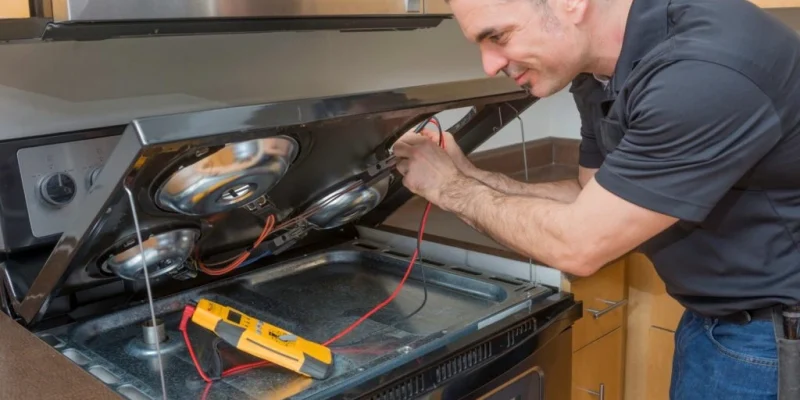
Most people only notice their stove when it stops working, and suddenly, making dinner becomes a test of patience. With modern kitchens relying on both gas and electric ranges, understanding the essentials of stove troubleshooting can save time, money, and frustration, while also keeping your home safe.
How Stove Technology Has Evolved Over Time
From Wood-Burning to Modern Electric and Gas Stoves
Stoves used to be massive, cast-iron monsters burning wood or coal. These required constant attention, and temperature control was a matter of guesswork. Fast-forward to today, and the majority of households in Ottawa (and beyond) use sleek electric or gas stoves featuring digital controls and precise temperature settings.
Impact of Design Changes on Common Problems
While innovation has made cooking less of a chore, it introduced new ways for things to go wrong. Electronic igniters replaced matches but can fail. Digital displays offer convenience, yet they rely on sensitive circuitry. As design changed, so did the list of common issues.
Why Understanding Evolution Helps in Diagnosis
Recognizing whether your stove is a basic coil-top, a gas burner, or a high-tech induction model can help you zero in on likely causes when something fails. For instance, an old-fashioned knob might just get stuck, while a modern touch panel could be affected by a power surge.
Identifying the Most Common Stove Problems Today
Ignition failures often top the list. Anyone who has twisted a knob only to hear clicking, with no flame, knows this frustration. For electric stoves, the issue might be no heat at all. Uneven heating is another silent saboteur, making baking recipes unpredictable and leaving pans half-cooked.
When knobs or control panels become unresponsive or spin uselessly, the problem may be mechanical, or something deeper in the stove’s wiring. Most concerning? Any sign of gas leaks or electrical sparks, which demand immediate attention.
Step 1: Diagnosing Stove Issues Systematically
Start by turning off the stove and unplugging it (or shutting the gas line). A visual inspection reveals more than you think, look for loose wires, scorch marks, or obvious debris.
Basic tools, such as a multimeter, help test for electrical continuity. Check whether burners heat up when switched on, and listen for the distinctive click of gas igniters. If the source isn’t obvious or if you smell gas, do not attempt to fix it yourself. In those cases, a call to a professional is the safest course of action.
Step 2: Fixing Ignition and Flame Problems
Igniter issues often stem from food spills or grease buildup. Carefully clean the igniter tip with a toothbrush, and make sure burner caps are aligned. If cleaning doesn’t restore function, replacing the spark module may be necessary.
For gas stoves, adjusting the gas flow can help if flames look weak or yellow. Electric igniters that fail to spark may need new wiring, but unless you’re very comfortable with electrical repairs, this step is best left to a qualified technician.
Step 3: Addressing Heating Inconsistencies
Is one burner hotter than the others? This usually means something is misaligned or dirty. Calibrating the temperature controls and cleaning burner heads can restore even heat. On electric stoves, a malfunctioning element should be replaced, which is often as simple as unplugging the old part and snapping in a new one.
Step 4: Repairing Control Panels and Knobs
Unresponsive digital panels can sometimes be reset with a power cycle. If that fails, the problem may lie in the circuit board or wiring, necessitating repair or replacement. Knobs that spin with no effect might have stripped shafts or broken plastic. Installing replacement knobs is usually straightforward, but if underlying connectors are broken, professional help is recommended.
Routine maintenance, like keeping controls clean and dry, goes a long way toward preventing these issues from reoccurring.
Step 5: Ensuring Stove Safety and Preventing Hazards
Safety should never take a back seat. Regularly check for the smell of gas, listen for hissing sounds, and watch out for scorch marks or tripped circuit breakers. A simple mixture of soap and water wiped over gas connections can reveal dangerous leaks, bubbles indicate trouble.
For electrical stoves, check cords and outlets for signs of melting or discoloration. If anything looks or smells wrong, stop using the appliance until it’s inspected. Regular safety inspections by professionals are essential, especially for older units.
If you are ever unsure or notice persistent problems, a local expert such as Honest Guys stove repair can help resolve issues quickly and safely, giving you peace of mind.
Keeping Your Stove Reliable: Maintenance Tips and Final Checks
Consistent cleaning is your best defence. Wipe up spills quickly, clear burner holes with a pin (when cool), and wash drip pans regularly. Pay attention to warning signs, such as flickering flames, strange noises, or unresponsive controls. If your stove requires frequent repairs or parts are difficult to source, it might be time for an upgrade.
Reliable performance means more than just cooking tonight’s dinner, it’s about long-term safety and efficiency in your home. A little attention today can prevent a big headache tomorrow.






Comments