
 By
By 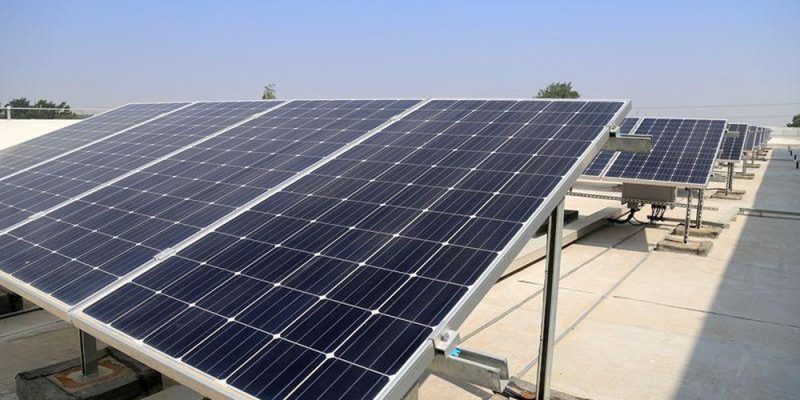
If you have ever wondered how solar power systems actually turn sunlight into electricity, you are not alone. Many homeowners and businesses in Singapore are exploring solar options, but feel unsure about the technical side of things. The truth is that the basic process is simpler than it appears. With solar in Singapore becoming more accessible and installation providers offering clearer guidance, now is a great time to understand the fundamentals before making any decisions.
The Basics: How Sunlight Becomes Usable Electricity
Solar power systems start with solar panels, which capture sunlight using photovoltaic (PV) cells. These cells absorb sunlight and generate direct current (DC) electricity. While it may sound technical, the idea is straightforward; sunlight hits the panel, and electricity begins to flow. The more sunlight the panels receive, the more power they produce. In sunny locations like Singapore, panels perform well due to consistent daylight throughout the year, even during cloudy conditions.
However, our homes and appliances use alternating current (AC), not DC. This is where the inverter comes in. The inverter converts DC electricity into AC so your lights, fans, and household appliances can use it safely. Once converted, the energy flows into your home’s electrical system just like electricity from the grid. Companies such as Perry Management Clean Energy guide users through this process by explaining how system components work together to deliver power efficiently.
What Happens When Solar Produces More Energy Than You Use?
A common question among first-time users is what happens when you generate more solar energy than you consume. With solar, excess electricity goes back into the grid through a scheme known as net metering, which means you receive credits for the surplus energy you produce, helping lower your monthly electricity bills. It’s a simple and effective way to maximise your solar investment without needing to store everything on-site.
If you want more independence from the grid, you can explore battery storage. Battery systems store excess energy for later use, which is helpful during peak hours or at night. While not necessary for everyone, it offers additional flexibility for homeowners who want backup power or more control over their energy usage. Solar power systems can function with or without storage, depending on your goals and budget.
Why Solar in Singapore Has Become More Popular
Several factors have contributed to the rise of solar in Singapore. The country’s strong sunlight, growing focus on sustainability, and government support have encouraged both residential and commercial adoption. Installing solar panels helps lower long-term energy costs, which appeals to homeowners and businesses looking for more predictable expenses. In addition, solar power systems produce clean energy, reducing dependence on traditional fossil fuels and helping Singapore meet its climate commitments.
Technology improvements also play a role. Modern panels are more efficient and durable than older models, which means they can generate more energy in smaller spaces. This approach makes solar more practical for homeowners with limited roof areas, a common situation in Singapore. Providers like Perry Management Clean Energy also offer customised installation plans, making the process smoother for those who are new to solar technology.
3 Simple Tips for First-Time Solar Buyers
If you’re just starting your solar journey, here are a few easy considerations to guide your decisions:
- Check your roof direction and structure
Roofs that face north or west in Singapore tend to receive strong sunlight. Your installer can assess suitability and make recommendations.
- Compare system sizes
Bigger systems generate more electricity but cost more. Choosing the right size depends on your home’s energy usage.
- Review warranties and service support
Solar panels often come with long warranties. Ensure your installer offers reliable after-sales service too.
Conclusion
Solar power systems may seem complex at first, but the underlying process is simple: panels collect sunlight, an inverter converts the energy, and your home uses it just like regular electricity. With solar in Singapore gaining momentum and technology improving every year, more residents are exploring how clean energy can fit into their lifestyle. Understanding the basics makes the transition smoother and helps you make confident decisions about your energy future.
Ready to explore clean energy solutions? Contact Perry Management Clean Energy to learn how solar can work for your home or business.







Comments