
 By
By 
As electric vehicles continue to gain popularity across Austin, Texas, more homeowners are asking the same practical question: What does it actually take to charge an EV at home efficiently? If you’ve recently purchased an electric vehicle-or you’re planning to-you’ll quickly realize that not all charging setups are created equal.
Choosing the right setup involves more than just plugging into the wall. You need to understand charging levels, your home’s electrical capacity, and how your daily driving habits influence what system makes the most sense. And at some point, most homeowners will consider hiring an ev charger installer to ensure everything is done safely and up to code.
Let’s break it all down in a way that’s real, practical, and tailored to Austin, Texas homeowners.
Level 1 vs. Level 2 Charging: What’s the Real Difference?
At the most basic level, EV charging at home falls into two categories: Level 1 and Level 2.
Level 1 Charging (120V)
Level 1 charging uses a standard household outlet-the same kind you’d use for a lamp or TV. Every EV comes with a portable charger that plugs into a 120-volt outlet.
What you get:
- حوالي 3 to 5 miles of range per hour of charging
- No installation required (in most cases)
- Minimal upfront cost
Where it works well:
- Short daily commutes (under 30-40 miles)
- Plugging in overnight consistently
- Households with one EV and predictable driving patterns
Where it falls short:
- Long commutes or frequent driving
- Multiple EV households
- Situations where you need quick turnaround charging
For many Austin drivers, Level 1 starts to feel limiting pretty quickly-especially with the city’s spread-out layout and growing commute distances.
Level 2 Charging (240V)
Level 2 charging requires a 240-volt circuit-the same type used for large appliances like dryers or ovens. This is where a professional installation usually comes into play.
What you get:
- 20 to 40+ miles of range per hour
- Full charge overnight for most EVs
- Dedicated, faster, and more reliable charging
Where it shines:
- Daily commutes over 40 miles
- Households with multiple EVs
- Drivers who want flexibility and convenience
The catch:
- Requires electrical work
- May need panel upgrades depending on your home
For most homeowners in Austin, Texas, Level 2 is the long-term solution. It’s faster, more convenient, and aligns better with real-world driving needs.
Real Charging Speeds: What You Can Actually Expect
Charging speed isn’t just about the charger-it depends on your vehicle, your home’s electrical setup, and how everything is configured.
Here’s what that looks like in practical terms:
Example 1: Tesla Model 3 (Standard Range)
- Level 1: ~4 miles/hour → ~40 miles overnight
- Level 2 (32A): ~25 miles/hour → Full charge overnight
Example 2: Ford F-150 Lightning
- Level 1: ~3 miles/hour → Not practical for daily use
- Level 2 (48A): ~30 miles/hour → 0-100% overnight
Example 3: Chevy Bolt EUV
- Level 1: ~4 miles/hour
- Level 2: ~25 miles/hour
What this means in real life:
- If you drive 20-30 miles per day, Level 1 can work-but barely
- If you drive 50-100 miles per day, Level 2 becomes almost essential
- If you want flexibility, faster recovery, or future EV upgrades, Level 2 is the clear winner
Panel Capacity: The Hidden Factor Most Homeowners Miss
This is where things get technical-and where many installations hit a wall.
Your electrical panel is the heart of your home’s power system. Every circuit, appliance, and device pulls from it. When you add an EV charger, you’re adding one of the largest electrical loads in your home.
Typical Panel Sizes in Austin, Texas Homes
- 100 amp panel – Common in older homes
- 150 amp panel – Transitional setups
- 200 amp panel – Standard for newer homes
Why It Matters
A Level 2 charger can require:
- 30 amps (basic setup)
- 40-50 amps (most common)
- Up to 60 amps (high-performance charging)
If your panel is already near capacity, adding a charger may:
- Trip breakers
- Overload circuits
- Violate electrical code
When Do You Need a Panel Upgrade?
Not every home needs a panel upgrade-but many do, especially in Austin’s older neighborhoods.
You might need an upgrade if:
- You have a 100 amp panel
- Your panel is already full (no space for new breakers)
- You’re adding other major loads (hot tub, HVAC, etc.)
- You want a high-amperage charger (48A or higher)
You probably don’t need one if:
- You have a 200 amp panel with available capacity
- Your home is relatively new
- You’re installing a lower-amperage charger
A proper load calculation is the only way to know for sure. This is something a qualified electrician will handle before installation.
Real-World Scenarios for Austin, Texas Drivers
Let’s bring this down to earth with a few common situations:
Scenario 1: Downtown Commuter
- Drives 25 miles/day
- Lives in a condo or older home
- Limited electrical capacity
Best option:
Level 1 may work, but Level 2 (even at lower amperage) provides peace of mind.
Scenario 2: Suburban Family in Round Rock or Cedar Park
- Drives 60-80 miles/day
- Two vehicles, possibly two EVs in the future
Best option:
Level 2 charger with a 40-50 amp circuit. Panel evaluation is critical.
Scenario 3: Tesla Owner with Long Commute
- Drives 100+ miles/day
- Needs quick overnight recharge
Best option:
High-capacity Level 2 charger (48A+), likely requiring panel capacity verification or upgrade.
Scenario 4: Future-Proofing a New Home
- Planning to buy an EV within 1-3 years
- Already doing electrical upgrades
Best option:
Install conduit and pre-wire for Level 2 now. It’s far cheaper than retrofitting later.
DIY vs. Hiring a Professional: What’s Actually Smart?
This is where things get real.
If you’re handy, you might be tempted to install your own EV charger. After all, it’s “just wiring,” right?
Not quite.
What DIY Might Involve:
- Running a new 240V circuit
- Installing a breaker in your panel
- Proper grounding and bonding
- Mounting and wiring the charger
- Ensuring code compliance
The Risks:
- Electrical shock or fire hazards
- Overloading your panel
- Failing inspections
- Voiding warranties
- Insurance complications
In Texas, electrical work like this is regulated for a reason. Improper installation isn’t just inconvenient-it can be dangerous.
Why Most Homeowners Choose a Licensed Electrician
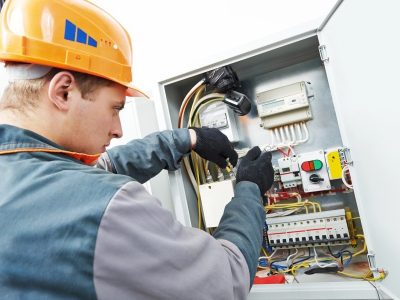
A qualified professional doesn’t just install your charger-they evaluate your entire system.
Here’s what you get:
- Accurate load calculations
- Safe panel integration
- Proper permitting and inspections
- Code-compliant installation
- Peace of mind
Hiring a trusted ev charger installer ensures your system works safely and efficiently from day one.
The Austin Factor: Heat, Growth, and Electrical Demand
Austin, Texas isn’t just any city-it has unique conditions that affect EV charging setups.
Heat
High summer temperatures can impact:
- Charging efficiency
- Equipment lifespan
- Panel load performance
Rapid Growth
More EVs + more electrical demand =
Higher importance on proper installations and future-proofing.
Infrastructure Gaps
Public charging is improving, but home charging is still the most reliable option.
Final Thoughts: What Should You Do Next?
If you’re serious about owning an EV in Austin, Texas, installing a proper home charging setup isn’t optional-it’s essential.
Here’s a simple path forward:
While some small electrical projects can be DIY-friendly, EV charger installation sits in a different category. Between safety, code compliance, and system complexity, this is one area where professional work pays off immediately-and long term.
If you want fast, reliable, and safe charging at home, investing in the right setup now will save you time, money, and headaches down the road.





Comments