
 By
By 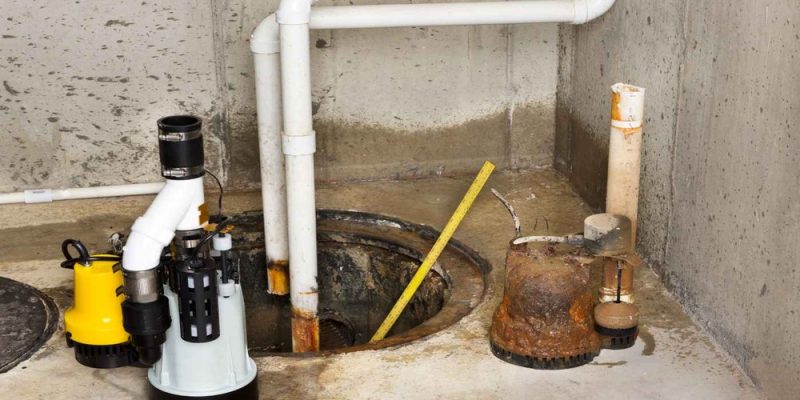
Homeowners in flood-prone areas understand the anxiety that accompanies heavy rainstorms. Primary sump pumps work tirelessly to remove water from basements and crawl spaces, protecting homes from costly water damage. Yet these essential systems have a critical vulnerability: they depend entirely on electrical power that often fails precisely when flooding threats peak. Installing backup systems provides the redundancy that transforms adequate protection into reliable defense.
Understanding how backup sump pump systems work and why they matter helps homeowners make informed decisions about protecting their properties from the devastating consequences of basement flooding.
Understanding Primary Sump Pump Limitations
Standard sump pumps activate automatically when water levels in collection pits rise above preset thresholds. Float switches or sensors detect rising water and trigger pumps that remove the accumulation before it reaches the basement floor levels. Under normal circumstances, these systems handle their responsibilities effectively.
Problems arise when storms that create the greatest flooding risks also knock out electrical service. Lightning strikes, downed power lines and overwhelmed utility systems leave primary pumps without the power they need precisely when water infiltration accelerates. Homeowners return from evacuations or wake after storms to discover basements filled with water that their unpowered pumps could not remove.
Even without power failures, primary pumps can fail mechanically at inopportune moments. Float switches stick, motors burn out, and impellers clog with debris. Any of these malfunctions leaves basements unprotected regardless of available electrical power.
Exploring Battery Backup Options
Battery backup systems provide protection when primary pumps lose power or fail mechanically. These secondary pumps operate on stored electrical energy that remains available regardless of utility service status. When primary systems fail, backup pumps activate automatically to continue removing water.
Deep-cycle batteries similar to those used in marine applications store sufficient energy to power backup pumps for extended periods. The duration depends on battery capacity, pump demand and how frequently the system must cycle. Quality installations provide many hours of protection, often enough to outlast typical power outages.
Battery backup systems require regular maintenance to ensure readiness when emergencies arise. Batteries lose capacity over time and require periodic replacement. Testing systems before storm seasons confirms that backups will perform when needed rather than failing alongside primary equipment.
Considering Water-Powered Alternatives
Water-powered backup pumps offer alternatives that do not depend on batteries or electrical power at all. These systems use municipal water pressure to create suction that removes basement water. As long as household water service continues, these backups can operate indefinitely without battery limitations.
The technology works through venturi principles, using flowing water to create a vacuum pressure that draws basement water into discharge systems. The approach requires no electrical components, eliminating concerns about battery maintenance or replacement costs.
Water-powered systems do consume municipal water during operation, adding to utility costs during extended use. They also depend on continued water service, which storms occasionally disrupt alongside electrical power. However, in many situations, water service remains available when electricity fails.
Selecting Appropriate Equipment
Choosing backup systems requires evaluating basement characteristics, typical flooding volumes and local power reliability patterns. Basements that accumulate water rapidly during storms need more powerful backup pumps than those experiencing gradual seepage. Local storm patterns and power outage histories inform decisions about backup duration requirements.
Choosing companies like TJM Sewer & Plumbing ensures professional assessment of specific situations and appropriate equipment recommendations. Licensed plumbers understand the complexities of sump pump installation, including proper pit construction, discharge line routing and system sizing that matches actual water management needs.
Professional installation matters significantly because improper setup creates problems that homeowners may not recognize until emergencies reveal them. Incorrect discharge routing can send removed water right back toward foundations, while undersized equipment may run continuously without keeping pace with water intrusion.
Maintaining Backup Systems
Backup systems require attention even when they rarely activate. Battery terminals corrode, connections loosen, and moving parts seize from disuse. Regular testing confirms that backups will respond appropriately when primary systems fail.
Testing involves simulating primary pump failure while monitoring backup response. Pouring water into sump pits with primary pumps disabled verifies that backups detect rising levels and activate properly. This testing should occur at least seasonally, with additional checks before periods of heightened flooding risk.
Battery replacement schedules depend on specific equipment and usage patterns. Most manufacturers recommend replacement every few years regardless of apparent condition, as batteries can fail suddenly without warning signs. Maintaining replacement schedules prevents discovering dead batteries during emergencies.
Protecting Your Investment
Basement flooding causes damage extending far beyond the inconvenience of water removal. Finished spaces suffer destruction of flooring, drywall and personal belongings. Structural components deteriorate when moisture persists. Mold growth creates health hazards that require professional remediation.
The relatively modest investment in backup sump pump protection prevents losses that frequently reach tens of thousands of dollars. Insurance may not cover all flooding damage, and claims often increase future premium costs. Preventing flooding entirely protects both property and insurance standing.
Homeowners who install and maintain backup sump pump systems gain peace of mind during storms that otherwise create anxiety and uncertainty. Knowing that redundant protection stands ready allows focus on other storm preparations rather than worrying about basement water levels while power remains uncertain.










Comments