
 By
By 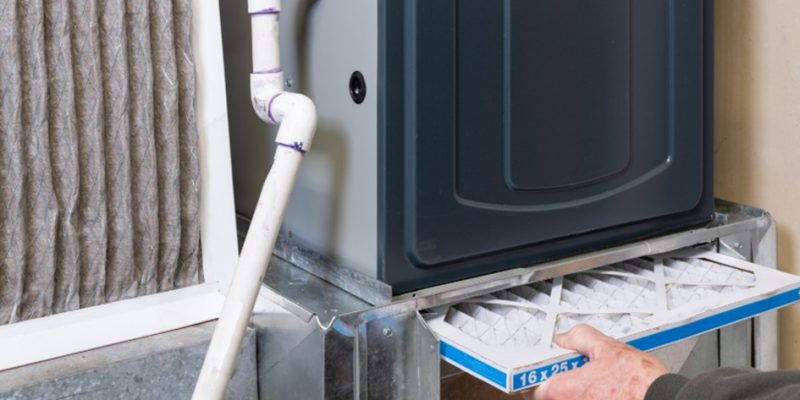
Home comfort depends heavily on a reliable, properly functioning furnace—especially during Minnesota’s long winters. But over time, even the best systems wear down. Homeowners often begin to notice subtle shifts in performance: rooms heating unevenly, rising energy bills, or strange noises when the unit runs. In these cases, furnace replacement in Burnsville becomes more than a convenience—it becomes essential to restoring indoor comfort and efficiency.
Modern furnaces are built to perform better, last longer, and consume less energy than older models. Replacing a dated system with a newer, high-efficiency one can immediately transform how a home feels and functions, especially when the installation is handled professionally and tailored to the specific needs of the space.
Comfort Improvements That Make a Difference
One of the most immediate benefits of furnace replacement is consistent heating. Older systems often leave certain rooms colder than others or take too long to reach desired temperatures. These inconsistencies not only affect comfort but also force the system to work harder than necessary.
Modern furnaces use multi-stage burners and variable-speed fans to deliver even heating throughout the home. They adjust output based on demand, ensuring steady temperatures regardless of how cold it gets outside. This smart performance results in quieter operation, reduced wear and tear, and improved airflow—each contributing to a more comfortable indoor environment.
Air quality also improves with an updated furnace. Dust, allergens, and other airborne particles are more effectively filtered, which can benefit household members with allergies or asthma. With better ventilation and filtration, indoor air becomes cleaner and more breathable.
Long-Term Energy and Cost Benefits
Beyond comfort, a furnace upgrade also brings financial advantages. Many older units operate below 70% efficiency, meaning a significant amount of energy is lost during operation. By contrast, newer models often exceed 90% efficiency, converting nearly all fuel into usable heat. This dramatic improvement helps homeowners improve energy efficiency and lower their monthly utility bills without sacrificing warmth.
Efficient systems also reduce overall strain on the HVAC network. Because they don’t need to run as long or as often, the mechanical components experience less stress. This leads to fewer breakdowns, longer system lifespan, and reduced maintenance costs over time.
Replacing an old furnace may also protect against sudden failures in the middle of winter—something that can be both costly and dangerous. A proactive replacement ensures reliability when it’s needed most.
How Modern Features Enhance Everyday Living
Today’s heating systems are packed with advanced features designed to provide better control and smarter operation. Adaptive thermostats, zoning capabilities, and diagnostic tools help homeowners maintain ideal indoor temperatures with minimal effort.
Systems built with the latest technologies in furnace replacement include self-regulating components that learn from usage patterns and adjust accordingly. These innovations optimize energy use while maintaining consistent comfort levels across every room. With integrated control systems and remote access, managing home heating has never been more precise or convenient.
Moreover, new technologies make installation and ongoing maintenance more straightforward. Technicians can quickly assess performance, identify potential issues early, and fine-tune settings for maximum efficiency—all of which contribute to a smoother ownership experience.
Conclusion
Furnace replacement is more than just a solution to short-term heating issues—it’s a strategic upgrade that enhances comfort, boosts energy efficiency, and reduces long-term costs. With today’s technology, homeowners benefit from consistent temperatures, improved air quality, and more control over their indoor environment. Replacing an aging system with a modern, professionally installed furnace ensures reliable performance and year-round peace of mind.



Comments