
 By
By 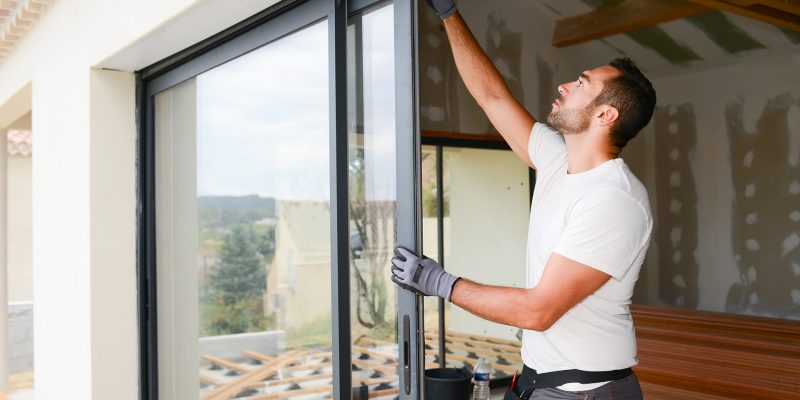
Across the United Kingdom, household bills are a growing concern for many property owners. Making a property more comfortable and cost-effective to run has become a significant priority. This comprehensive guide explores strategic enhancements that can make a substantial difference.
Modern advancements in building materials offer excellent opportunities. They focus on reducing heat loss and managing internal temperatures more effectively. These upgrades can lead to lower fuel costs and a more pleasant living environment throughout the year.
Understanding a property’s current performance is the first step. In the UK, an Energy Performance Certificate (EPC) provides a clear rating from A to G. This assessment helps identify where targeted improvements can yield the best results for a dwelling’s thermal performance.
This resource delivers practical advice for anyone considering such a project. It covers essential topics from initial assessment to choosing the right solutions. Readers will discover how strategic enhancements contribute to a more sustainable and economical household.
Key Takeaways
- Rising living costs make property enhancements a smart financial decision for UK residents.
- Modern technologies significantly reduce heat loss and improve a home’s comfort.
- An Energy Performance Certificate (EPC) is a vital tool for identifying improvement areas.
- Strategic upgrades can lead to considerable savings on annual household bills.
- This guide offers a step-by-step approach from planning to installation.
- Improving a property’s thermal performance supports broader environmental goals.
Benefits of Energy Efficient Window and Door Upgrades
Investing in contemporary fenestration solutions offers multiple rewards for UK households. These improvements address both immediate financial concerns and long-term property value.
Lower Energy Bills and Enhanced Insulation
Modern thermal solutions significantly reduce heating costs. Homeowners could save substantial amounts annually by preventing unnecessary heat loss.
Advanced glazing technologies create effective barriers against temperature transfer. This enhanced insulation maintains consistent internal conditions throughout the year.
| Glazing Type | Annual Saving Potential | Insulation Performance | Long-term Value |
|---|---|---|---|
| Single Glazing | £0 (Baseline) | Poor | Low |
| Standard Double Glazing | Up to £110 | Good | Medium |
| A-Rated Modern Windows | Up to £184 | Excellent | High |
| Triple Glazing with Low-E | Up to £200+ | Superior | Premium |
Improved Home Comfort and Environmental Impact
These enhancements create more pleasant living spaces. They eliminate cold draughts and maintain stable temperatures.
The environmental impact is equally important. Reduced energy consumption means lower carbon emissions from heating systems.
Property owners contribute to sustainability goals while enjoying personal benefits. This combination makes thermal improvements a wise investment.
Understanding Your Home’s Energy Efficiency
British homeowners seeking to enhance their property’s thermal retention should first establish a baseline understanding of its current performance. This assessment forms the foundation for targeted improvements.
Determining Your Energy Performance Certificate (EPC)
An Energy Performance Certificate provides a comprehensive evaluation of a dwelling’s thermal characteristics. It assigns ratings from A (most efficient) to G (least efficient).
The certificate examines multiple aspects including insulation quality and heating systems. It also identifies areas where draughts may compromise thermal retention.
EPCs remain valid for ten years and include specific recommendations. Homeowners can access their property’s certificate through the government register.
Key Factors Influencing Heat Loss and Insulation
The construction era significantly affects a house’s thermal performance. Older properties often lack modern insulation standards.
Period homes and Victorian terraces typically experience greater heat loss. This occurs through single-glazed windows and solid wall construction.
Draughts around openings represent a major source of inefficiency. They allow cold air infiltration while warm air escapes.
| Property Characteristic | Impact on Heat Loss | Insulation Priority | Improvement Potential |
|---|---|---|---|
| Pre-1920s Construction | High | Critical | Significant |
| 1930s-1960s Build | Medium-High | High | Substantial |
| Post-1980s Properties | Low-Medium | Moderate | Incremental |
| Modern Building Standards | Low | Maintenance | Optimisation |
Choosing the Right Windows and Doors
Property owners face a complex marketplace when selecting thermal enhancement solutions for their buildings. The available options range from basic replacements to advanced systems with superior performance characteristics.
Modern Glazing Technologies and Insulated Frames
Contemporary glazing systems offer significant improvements over traditional designs. Triple glazing represents the premium choice, achieving top thermal ratings through multiple glass panes and gas fills.
These advanced windows doors incorporate Low-E coatings that reflect heat while maintaining natural light transmission. The technology also includes argon gas fills between panes for enhanced insulation.
Frame materials contribute substantially to overall performance. Thermally broken aluminium, uPVC, and sustainable timber each offer distinct advantages for different property types.
Modern door options have evolved with composite constructions and solid-core designs. These materials provide excellent thermal retention while maintaining structural integrity.
Expert Guidance from Window Doctor UK
Navigating the complex landscape of double triple glazing options requires professional insight. Window Doctor UK provides essential advice tailored to specific property requirements.
Their expertise helps homeowners select appropriate energy-efficient windows based on architectural style and performance needs. The right window choice considers both immediate benefits and long-term value.
Quality installation ensures windows doors perform as intended. Professional assessment accounts for factors like property age and local climate conditions.
Advanced technology in modern glazing includes smart glass features and enhanced security. These additional benefits complement the primary thermal performance of new window installations.
Case Study: Upgrading for Maximum Impact
Real-world examples from UK homeowners demonstrate the tangible benefits of modern thermal solutions. These documented cases provide compelling evidence of what property owners can achieve.
Success Stories and Real-World Savings
Verified installations show substantial financial returns. A typical detached property could save up to £1,800 on bills over a decade.
Annual savings often reach £184. Even buildings with existing double-glazing benefit when units are over five years old.
Period homes show particularly dramatic improvements. Transitioning from single to modern glazing transforms comfort levels throughout the property.
Professional Insights from Window Doctor
Actual savings depend on multiple factors. Property size, existing condition, and heating systems all influence results.
Proper installation ensures airtight fitting. This eliminates gaps that lead to thermal loss. Comprehensive assessments set realistic expectations for each home.
Coordinating improvements multiplies benefits. Professional guidance helps prioritise enhancements that could save the most on costs over time.
Essential energy efficient window and door upgrades for home improvement
Implementing thermal improvements requires a systematic approach that begins with thorough property assessment. Professional evaluations help homeowners understand their specific requirements before committing to projects.
Step-by-Step Practical Implementation
The process starts with obtaining detailed quotes from qualified specialists. This ensures property owners can make informed decisions about suitable solutions.
Choosing between different glazing technologies involves careful room-by-room analysis. North-facing openings often benefit from superior insulation properties, while south-facing ones might prioritise solar gain.
Professional fitting represents a critical phase that cannot be underestimated. Expert installation ensures airtight seals and proper alignment, preventing air leakage that compromises performance.
| Implementation Phase | Key Actions | Expected Outcomes | Timeline |
|---|---|---|---|
| Initial Assessment | Professional quotes, property evaluation | Clear project scope and budget | 1-2 weeks |
| Technology Selection | Glazing choice, frame materials decision | Optimal performance specifications | 2-3 weeks |
| Professional Installation | Airtight fitting, weather stripping | Maximum thermal retention | 1-4 weeks |
| Complementary Measures | Draught-proofing, heating system check | Comprehensive efficiency improvement | Ongoing |
Complementary measures like weather stripping and addressing condensation issues enhance overall performance. These relatively low-cost solutions work alongside primary installations.
Coordination with heating system assessments multiplies benefits. Modern condensing boilers operating above 90% efficiency can transform running costs significantly.
Regular maintenance schedules ensure long-term performance. Annual servicing and temperature adjustments contribute to sustained savings without compromising comfort.
Conclusion
Transforming a property’s efficiency rating can yield substantial rewards across multiple aspects of home ownership. The evidence presented confirms that modern thermal solutions deliver significant financial savings while enhancing living comfort.
Households could save considerable amounts on their annual bills through reduced heat loss. Enhanced insulation properties maintain consistent temperatures throughout the year. This creates more pleasant living environments free from draughts and condensation issues.
The environmental impact represents another crucial benefit. Lower energy consumption means reduced carbon emissions from heating systems. Property owners contribute to sustainability goals while enjoying personal advantages.
Taking action today begins with professional consultation. Requesting a detailed quote ensures homeowners receive tailored advice for their specific circumstances. Quality installation maximises the performance benefits of any chosen solution.
This strategic investment pays dividends over time through lower costs and increased property value. Homeowners can confidently progress their improvement journey toward superior home energy efficiency.
FAQ
How much could I save on my heating bills with new windows and doors?
The amount saved varies depending on the property and the existing installations. Upgrading from single to double or triple glazing can significantly reduce heat loss. This leads to lower gas or boiler usage and substantial savings on monthly costs over time.
What is the difference between double and triple glazing?
Double glazing features two panes of glass with an insulating gas layer. Triple glazing adds a third pane, creating two sealed air gaps. This extra layer offers superior thermal performance, better sound insulation, and further reduces condensation.
Will new windows and doors stop draughts and condensation?
Yes. High-quality, professionally fitted products are designed to eliminate draughts. Modern technology within the frames and glass units also minimises internal condensation by keeping interior surface temperatures higher.
How do I know if my home needs an upgrade?
Signs include feeling cold draughts, high heating costs, difficulty keeping rooms warm, or excessive condensation. Checking your property’s Energy Performance Certificate (EPC) provides an official assessment of its insulation and performance.
What should I look for in a new door or window frame?
Focus on the materials and build quality. uPVC, aluminium, and timber are common options. Each has different benefits for durability, maintenance, and insulation. Companies like Window Doctor UK offer expert guidance on the best choice for a specific house.
Is it a big disruption to have new windows and doors installed?
A professional installation team aims to minimise disruption. The process for a typical home improvement project is often completed efficiently. They ensure the property remains secure and clean throughout the upgrade.
How can I get a quote for upgrading my property?
Contact a reputable specialist such as Window Doctor UK for a free, no-obligation assessment. They will survey your home, discuss your requirements, and provide a detailed quote outlining the costs and benefits.




Comments