
 By
By 
Property maintenance services are, in the most fundamental sense, a form of ecological management. Every building exists in a relationship with its environment, exchanging heat, moisture, and stress with the world around it. In Singapore, that environment is demanding in ways that many temperate-climate building traditions were not designed to anticipate. The humidity is persistent, the rainfall is heavy and frequent, and the biological pressure from mould, algae, and organic growth is relentless. What a building requires to remain functional and safe over time is not a single dramatic intervention, but a continuous, structured programme of care. Understanding the scope of that programme is the starting point for responsible property ownership.
What Property Maintenance Actually Encompasses
The term is broad enough to obscure its content. Property maintenance services cover everything from the inspection and repair of structural elements to the upkeep of mechanical systems, waterproofing, drainage management, facade cleaning, electrical safety checks, and the ongoing monitoring of any system or surface that is subject to wear, exposure, or biological attack.
In Singapore’s regulatory framework, the Building Control Act and guidelines issued by the Building and Construction Authority establish minimum standards for the maintenance of buildings, particularly those with shared or publicly accessible spaces. These requirements reflect a recognition that deferred maintenance is not neutral. It is a form of accumulation, and what accumulates eventually presents itself as a more complex and more expensive problem than the one that was originally avoided.
Core Tasks Within a Maintenance Programme
A well-structured property maintenance programme addresses several categories of work on a systematic schedule.
Structural and Facade Inspection
External concrete surfaces, facade cladding, expansion joints, and sealant lines are subject to weathering, carbonation, and chloride ingress in Singapore’s coastal and humid environment. Regular inspection identifies early signs of concrete spalling, crack propagation, or sealant failure before these defects allow water to reach structural elements. Inspections for certain building categories are a statutory requirement under local building regulations, and the findings should inform a rolling repair schedule.
Waterproofing Maintenance
Roof decks, wet areas, planter boxes, and basement walls are the zones where waterproofing systems are most critically tested. Over time, waterproofing membranes become brittle, lap joints open, and surface coatings lose their adhesion. Property maintenance services that include periodic waterproofing assessment and reapplication prevent the infiltration damage that, once established, can affect structural slabs, ceiling finishes, and embedded services simultaneously.
Mechanical and Electrical Systems
Air-conditioning systems, water pumps, lifts, fire protection equipment, and electrical distribution boards all require scheduled servicing to remain safe and efficient. In Singapore’s high-rise residential and commercial context, these systems are often shared across multiple tenants or units, making coordinated maintenance essential. A failure in a shared riser or common area system affects the entire building, not just a single occupant.
Drainage and Plumbing
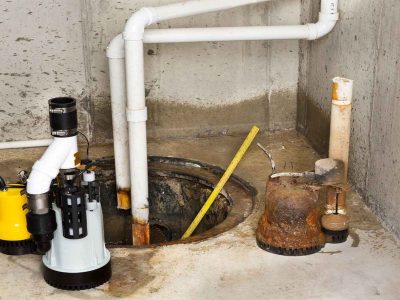
Blocked or deteriorating drainage systems are among the most common sources of water damage in Singapore properties. Roof outlets, floor traps, and underground drainage lines accumulate debris, root intrusion, and mineral deposits over time. Regular clearing and inspection, including CCTV survey of concealed drains where warranted, prevents the overflow and backflow events that damage finishes and compromise hygiene.
External and Common Area Upkeep
Facade washing, carpark deck cleaning, repainting of common corridors, and maintenance of landscaped areas contribute to both the functional condition and the perceived value of a property. In the context of property maintenance in Singapore , where strata-titled developments are subject to the Building Maintenance and Strata Management Act, these tasks are typically governed by a maintenance plan that the management corporation is required to implement and fund.
Planned Versus Reactive Maintenance
The distinction between planned and reactive property maintenance is one of the most important practical considerations for any building manager or owner.
Planned maintenance operates on a schedule derived from the known service lives of building components. Roof waterproofing membranes have a typical service life of ten to fifteen years. External sealant joints require inspection every five to seven years. Repainting cycles for external facades in Singapore are generally set at five years, given the accelerated weathering from UV exposure and biological growth. Working within these known parameters allows budgets to be managed, contractors to be properly briefed, and work to be sequenced without operational disruption.
Reactive maintenance, by contrast, addresses failures after they have occurred. It is invariably more expensive per unit of repair than planned intervention, and it frequently involves collateral damage that would not have arisen had the underlying defect been caught earlier. A blocked drain that is cleared before it overflows costs a fraction of what it costs after it has saturated a suspended ceiling and the electrical conduits running through it.
The most effective property maintenance services combine both approaches: a structured planned programme supplemented by a responsive capacity for urgent repairs.
Selecting the Right Service Provider
Not all maintenance contractors operate with the same scope of competence or the same attitude toward documentation and compliance. In Singapore, providers engaged for works affecting structural or waterproofing elements should hold the relevant BCA registration, and any works involving electrical systems must comply with the Energy Market Authority’s licensing requirements. A credible provider will offer a clear scope of works, documented inspection records, and material specifications that allow the property owner to understand exactly what has been done and why.
The accumulation of well-kept maintenance records also has direct implications for property transactions. A building with a documented maintenance history commands greater confidence from buyers, insurers, and financiers than one where the maintenance record is absent or incomplete.
Property maintenance services , properly conceived and consistently executed, are not a cost to be minimised. They are the mechanism by which the value and safety of one of the most significant assets most people will ever own is preserved across time.







Comments