
 By
By 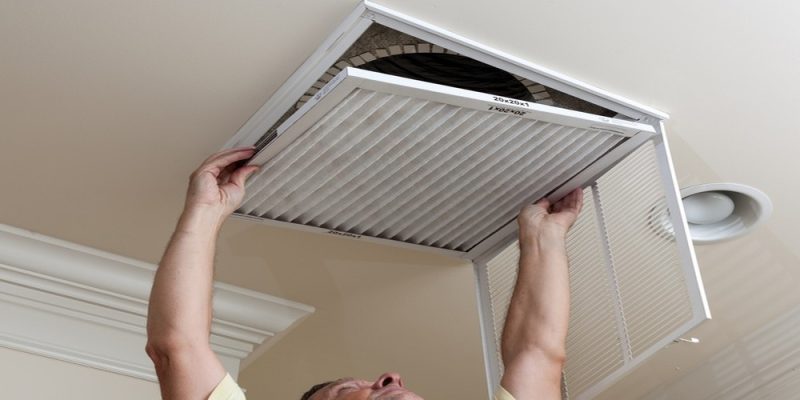
As winter fades and temperatures begin to rise, many homeowners shift their focus from heating to cooling. However, what often gets overlooked during this transition is the condition of the HVAC system after months of heavy use. Dust buildup, clogged filters, and unnoticed wear can all impact how efficiently your system performs in spring.
More importantly, your HVAC system plays a direct role in the air you breathe indoors. A well-maintained system doesn’t just regulate temperature-it helps remove pollutants, control humidity, and create a healthier living environment. That’s where a seasonal maintenance approach becomes essential.
Why Indoor Air Quality Matters More in Spring
Spring brings warmer weather, but it also introduces a surge of airborne allergens such as pollen, dust, and mold spores. These particles easily enter homes and circulate through HVAC systems, especially if filters and ducts are not properly maintained.
Poor indoor air quality can lead to several issues, including:
- Increased allergy symptoms
- Respiratory discomfort
- Fatigue and headaches
- Reduced overall comfort at home
With windows opening more frequently and HVAC systems running regularly, ensuring clean indoor air becomes more important than ever during this season.
What Is a Spring HVAC Checklist?
A spring HVAC checklist is a structured set of maintenance tasks designed to prepare your system for the cooling season. Instead of waiting for issues to arise, this checklist focuses on prevention-helping your system run efficiently while supporting better air quality.
Following a Spring HVAC checklist, indoor air quality strategy allows homeowners to address small issues early, reduce energy waste, and maintain consistent airflow throughout the home. It also helps extend the lifespan of your HVAC system while keeping indoor conditions comfortable.
Key Tasks Included in a Spring HVAC Checklist
A comprehensive checklist ensures that every component of your HVAC system is functioning properly and contributing to cleaner air.
Replace or Clean Air Filters
Air filters trap dust, pollen, and other airborne particles. Over time, they become clogged, restricting airflow and allowing contaminants to circulate indoors. Replacing or cleaning filters regularly is one of the simplest yet most effective ways to improve air quality.
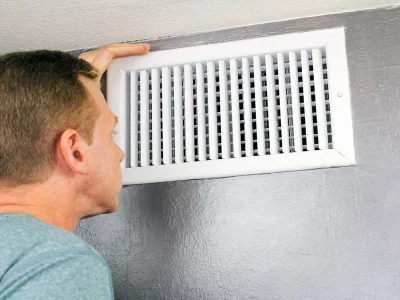
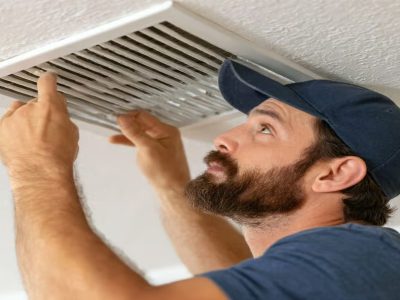
Inspect Air Ducts and Vents
Leaky or dirty ductwork can spread dust and allergens throughout your home. Checking for blockages, buildup, or leaks ensures proper airflow and prevents pollutants from being recirculated.
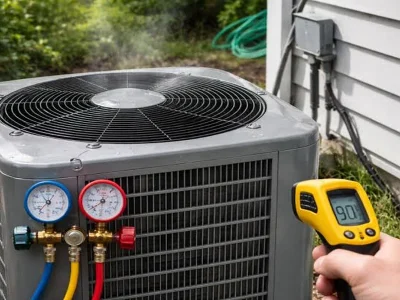
Clean Coils and Internal Components
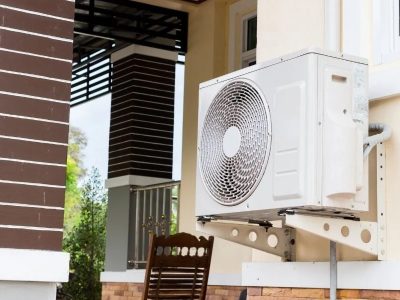
Evaporator and condenser coils can accumulate dirt, reducing efficiency and affecting air cleanliness. Keeping these components clean helps your system operate smoothly and prevents contaminants from entering the airflow.
Check Thermostat and Controls
An accurate thermostat ensures your HVAC system maintains consistent temperatures without overworking. This contributes to better humidity control and overall comfort.
Implementing a Spring HVAC checklist, indoor air quality routine not only enhances system performance but also creates a cleaner, healthier indoor environment.
How HVAC Maintenance Directly Improves Indoor Air Quality
Regular HVAC maintenance has a direct and noticeable impact on the air inside your home. When systems are clean and functioning properly, they can effectively filter and circulate air without spreading contaminants.
Key benefits include:
- Reduction of dust, allergens, and airborne particles
- Improved humidity control, preventing mold growth
- Better ventilation and airflow distribution
- Enhanced comfort and consistent indoor temperatures
A proactive approach ensures that your HVAC system supports both comfort and health, rather than contributing to indoor air problems.
Signs Your HVAC System Is Affecting Air Quality
Many homeowners don’t realize their HVAC system is impacting air quality until symptoms become noticeable. Recognizing early warning signs can help you take action before issues worsen.
Look out for:
- Excess dust accumulating on surfaces
- Uneven airflow in different rooms
- Persistent musty or stale odors
- Increased allergy or respiratory symptoms
- High indoor humidity levels
If you notice any of these signs, it may be time to revisit your Spring HVAC checklist, indoor air quality routine and address underlying issues.
Additional Ways to Improve Indoor Air Quality at Home
While HVAC maintenance is essential, combining it with other simple practices can significantly enhance indoor air quality.
- Use high-quality air filters designed to capture smaller particles
- Keep humidity levels balanced to prevent mold and mildew
- Regularly clean floors, furniture, and vents to reduce dust buildup
- Ensure proper ventilation by allowing fresh air to circulate when possible
- Consider adding air purifiers for extra filtration support
These steps work alongside your HVAC system to create a healthier indoor environment.
When to Call a Professional HVAC Technician
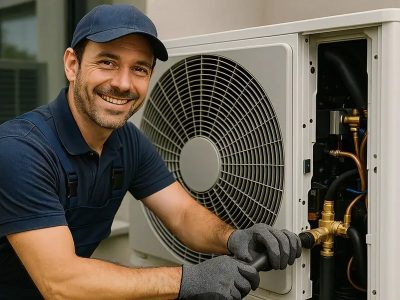
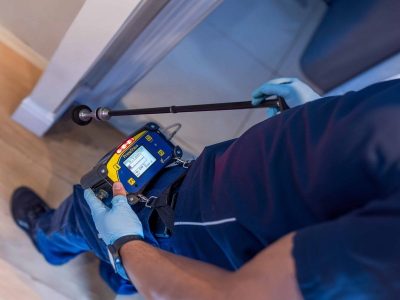
Some maintenance tasks can be handled by homeowners, but certain issues require professional expertise. Scheduling a professional inspection at least once a year ensures your system is thoroughly evaluated and optimized.
A technician can:
- Identify hidden issues affecting performance
- Clean internal components safely and effectively
- Check refrigerant levels and system efficiency
- Provide recommendations for improving air quality
Professional servicing adds an extra layer of assurance that your HVAC system is operating at its best.
Conclusion
A seasonal approach to HVAC maintenance is one of the most effective ways to protect both your comfort and your health. By following a spring checklist, you can ensure your system runs efficiently while keeping indoor air clean and breathable.
From replacing filters to inspecting ducts and scheduling professional maintenance, every step contributes to a healthier living environment. As spring brings new challenges like allergens and humidity changes, staying proactive with your HVAC care helps you maintain consistent comfort throughout the season.
Investing time in a air conditioning repair service routine today can prevent costly repairs tomorrow-and more importantly, it ensures that the air inside your home supports your well-being every day.



Comments