
 By
By 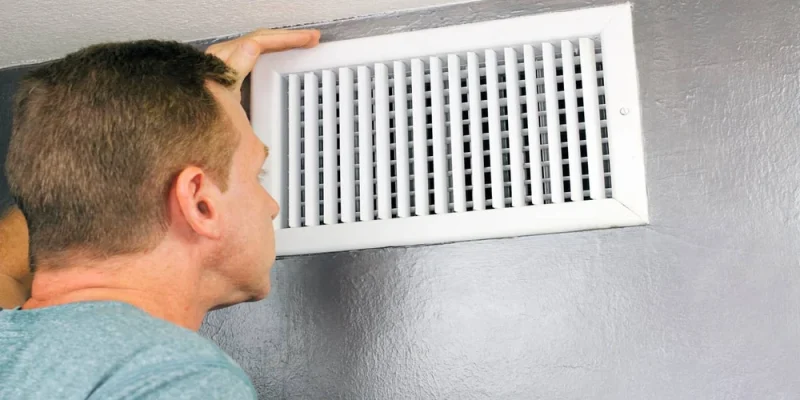
A healthy central air conditioner should drop the air temperature by roughly 15 to 20 degrees between the return grille and the nearest supply vent. Technicians call this the temperature split, and it is one of the fastest ways to narrow down a failure before a single panel comes off. A split of 5 degrees points somewhere very different from a split of 25. A furnace has its own version of this clue in the sequence of clicks, hums and flames it runs through before warm air arrives.
That is why reading symptoms matters. Most calls for Augusta HVAC repair start with a vague complaint like “it blows but won’t cool” or “the furnace keeps shutting off.” The faster that complaint gets matched to a likely cause, the shorter and cheaper the visit tends to be. Augusta homes add their own pressures. Long, sticky summers keep compressors running for months. Many brick ranches and newer Columbia County builds run ductwork through attics that bake far hotter than the outdoor air. Spring pine pollen also coats outdoor coils and filters.
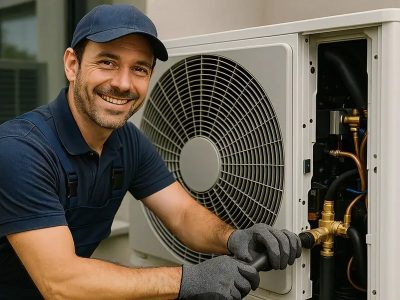
When the heat quits on a cold night, 3G Heating and Air Conditioning handles furnace repair on gas and electric systems, and its HVAC sales team can lay out replacement options when an older unit is no longer worth patching. The same crew provides Augusta hvac repair for air conditioners and heat pumps, along with full HVAC installation backed by a 10 year guarantee on installs and repairs. If your system is acting strange, request a free repair estimate before a small fault turns into a big one.
Each section below follows the same pattern. You will see what you notice, what usually causes it, and whether the fix is a repair or the start of a replacement conversation.
The AC Runs but the House Stays Warm
Warm or barely cool air at the vents usually traces back to one of four causes:
- The outdoor unit isn’t running. A failed capacitor or burned contactor is the usual cause. Summer heat weakens capacitors, and swapping one is a quick repair.
- The refrigerant charge is low. Refrigerant does not get used up, so low charge means a leak. Topping it off without finding the leak only delays the next call.
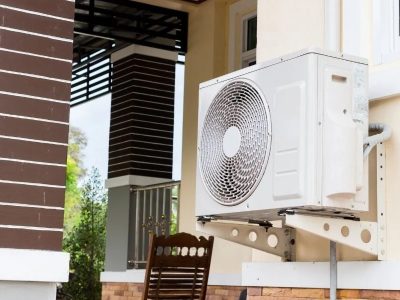
- The condenser coil is dirty. Pollen, grass clippings and red clay dust choke the outdoor coil and push pressures up. Cleaning it is routine maintenance, not a major repair.
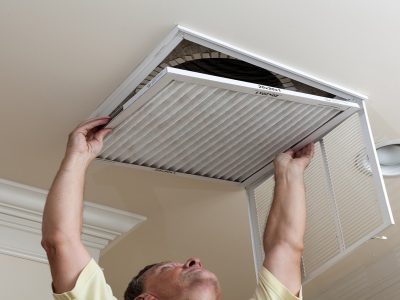
- The filter or blower is restricting airflow. Weak air over the indoor coil also causes the next problem.
Ice on the coil or copper line
Frost on the large copper line at the outdoor unit means the indoor coil is running too cold. Low airflow or low charge causes it. Set the thermostat to off with the fan on so the ice melts, then replace the filter. Don’t chip at the ice. If the coil freezes again with a clean filter, the problem is refrigerant or the blower motor.
Short cycling
A system that runs a few minutes and then stops may have a thermostat placed near a supply vent or a sunny wall. It may also have a failing capacitor or a high pressure trip from a dirty condenser. Oversized equipment is another common cause, especially in older swaps where tonnage was guessed instead of calculated. A repair cannot fix oversizing. In Augusta humidity it also leaves the house cool but clammy, because short runs never pull enough moisture out of the air.
Weak Airflow and New Noises
Weak airflow at a few vents often points to a crushed or disconnected duct in the attic. If the whole house is weak, look at the blower wheel, the blower motor or a clogged coil. Sounds narrow things down further:
- Squealing indoors: worn blower motor bearings
- Grinding or screeching outside: condenser fan motor or compressor trouble
- Repeated clicking with no start: a relay, contactor or capacitor problem
- Hissing or bubbling near the lines: a refrigerant leak
- Rattling: a loose panel, a loose screw or debris in the fan
When the Furnace Won’t Heat
A gas furnace follows a fixed sequence. The thermostat calls for heat, the inducer motor starts, a pressure switch proves the draft, the ignitor glows, the gas valve opens, the flame sensor confirms the flame, and the blower comes on. Where that sequence stops tells you a lot. Before you call, count the blinking light on the control board through the sight glass. That code saves real diagnostic time.
- Inducer hums but nothing lights: pressure switch, clogged tubing or a blocked vent or condensate drain on high efficiency units
- Burners light, then die within seconds: a dirty flame sensor, which is a fast cleaning job
- No ignitor glow: a cracked hot surface ignitor
- Rollout switch tripped: flame escaping the burner area, often from a blocked flue or a cracked heat exchanger
The U.S. Consumer Product Safety Commission notes that every gas furnace built since 1987 has flame rollout protection. That switch is a safety device telling you something is wrong. Resetting it over and over hides a carbon monoxide risk.
Many Augusta homes heat with heat pumps instead. Lukewarm air for a few minutes on a near-freezing morning is usually a normal defrost cycle. Constant lukewarm air from an outdoor coil caked in ice points to a failed defrost board or sensor.
| Symptom | Likely cause | Repair path |
|---|---|---|
| Warm air, outdoor fan silent | Failed capacitor or contactor | Part swap, usually same visit |
| Cool air but weak split | Low charge from a leak | Leak search and repair, or replace if coil leaks on an old system |
| Ice on copper line | Low airflow or low charge | Filter and blower check, then refrigerant diagnosis |
| Short cycling, clammy house | Oversized unit or thermostat location | Relocate thermostat; oversizing needs correct sizing at replacement |
| Grinding outdoors | Fan motor or compressor | Motor swap; compressor failure on an older unit favors replacement |
| Furnace lights then shuts off | Dirty flame sensor | Cleaning or sensor replacement |
| No ignitor glow | Cracked ignitor | Ignitor replacement |
| Rollout switch tripping | Blocked flue or cracked heat exchanger | Vent clearing; cracked exchanger usually means replacement |
What a Repair Call Actually Involves
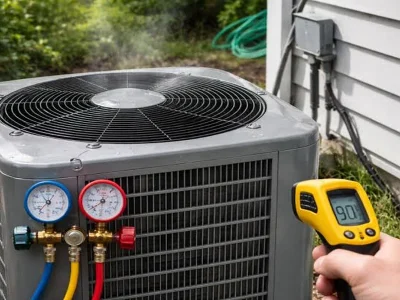
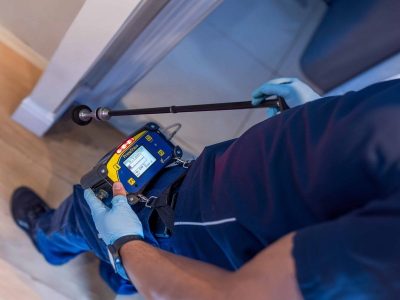
A thorough technician confirms the thermostat is calling, then measures the temperature split, motor amp draw and capacitor ratings against the specs on the label. On the cooling side, refrigerant pressures, superheat and subcooling show whether the charge is right or a leak exists. On a furnace, the tech reads the fault code, checks flame sensor current, inspects the vent and looks at the heat exchanger. You should get a written diagnosis and a price before any work starts. Ask which refrigerant the system uses and read the manufacture year from the data plate, because both shape the next decision.
Where Repair Stops Making Sense
Refrigerant type is often the deciding factor. The EPA explains that new R-22 production ended in 2020, so older systems rely on reclaimed or stockpiled supply, and no new R-22 units have been installed since 2010. A leaking R-22 system faces costly recharges with no end in sight, which makes replacement the stronger choice.
A common rule of thumb multiplies the unit’s age by the repair cost. A result above 5,000 leans toward replacement. A failed compressor on a 12 year old air conditioner usually crosses that line. So does a cracked heat exchanger on a furnace near the end of its life, since that part alone can cost a large share of a new furnace. Replacing only the outdoor half of an old split system can also leave mismatched components that never reach their rated efficiency. A good technician shows you the repair price and the replacement price side by side, and lets the numbers make the case.


Comments