
 By
By 
Executive Summary: How First-Time Buyers Can Choose the Best Neighborhoods in Toronto
Buying your first home in Toronto can feel exciting, but also a little overwhelming when every area seems to be called “the best.” In this guide, we help you choose more confidently by focusing on real-life priorities and smart comparisons such as safety, monthly budget fit, TTC commute time, school catchments, and whether a condo or townhouse suits your next few years. By the end, you will know how to build a shorter, more realistic shortlist and avoid common first-time buyer mistakes.
What Makes the Best Neighborhoods in Toronto Different for First-Time Home Buyers
For many first-time buyers, the right area in Toronto is not the one people talk about most. It is the one that gives you a comfortable start and room to adjust as life changes. When comparing the best neighborhoods in Toronto, look beyond reputation and focus on what the area actually offers at your budget level, including common home types, day-to-day convenience, and whether the neighborhood can still work for you if your commute, family plans, or monthly costs shift over time.
Start with Neighborhood Safety and Everyday Convenience in Toronto
When you buy your first place, the small daily details quickly matter more than a stylish kitchen. Start by looking at neighbourhood safety and everyday convenience, because those are the things you will feel every single week. Walk the streets in the evening, not just on a sunny weekend afternoon. Notice lighting, foot traffic, noise, and how comfortable you would feel coming home after dark. Then check the basics: groceries, pharmacy, parks, and a TTC stop you would actually use.
Toronto can change block by block. A home can look perfect on paper, but feel inconvenient in real life. To compare the best neighborhoods in Toronto more clearly, test your commute at a realistic time and ask your agent about micro-location issues such as traffic, parking pressure, and nearby construction that can affect comfort and resale.
How to Match Your Toronto Neighborhood to Your Budget and Mortgage Comfort?
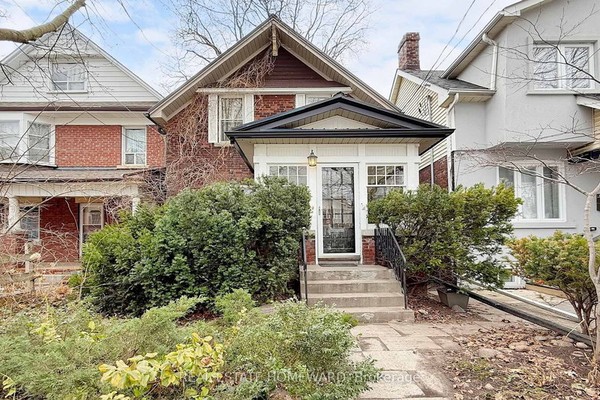
Choosing where to buy should start with monthly affordability and mortgage comfort, not the maximum amount a lender approves. For Toronto first-time home buyers, the right area is one that supports your budget in real life while still giving you options if costs change.
- Compare neighbourhoods by total monthly carrying cost, not just list price. Include mortgage payment, property tax, utilities, and condo fees.
- Set a comfort ceiling for your payment before you browse the best neighborhoods in Toronto.
- Check home type fit at your price point, because condo, townhouse, and semi-detached options can vary sharply by area.
- Leave room for closing costs and basic repairs so your first purchase stays financially stable.
Compare TTC Access, Commute Time, and School Catchments Before You Buy
Even a well-priced home can become a poor fit if the weekly routine feels hard. Commute planning should focus on TTC reliability and real travel time, not map estimates alone. Test the route at the same hours you would actually travel, and check transfer patterns, walking distance to stations or stops, and how weather may affect the trip in winter.
School planning also matters sooner than many Toronto first-time home buyers expect. Buyers comparing Toronto neighbourhoods should review school catchment boundaries and future flexibility, especially if they plan to stay five to seven years. A good area is not only convenient today, but still practical if family needs, work schedules, or pickup routines change later.
Condo, Townhouse, or Detached Home: Choose the Right Toronto Home Type First
Home type should shape your search before you judge any area as a fit. For Toronto first-time home buyers, the right choice often starts with lifestyle needs and ownership costs, because each option changes your monthly budget, maintenance responsibility, and future flexibility in different ways.
A condo may offer easier entry pricing and less upkeep, while a townhouse can provide more space for daily life and storage. A detached or semi-detached home may offer privacy, but it usually comes with higher costs and more maintenance. When comparing Toronto neighbourhoods, match your budget to the home type strategy that fits your next few years, not just your dream scenario.
A Simple First-Time Buyer Framework to Compare Toronto Neighborhoods
If you try to compare too many Toronto areas at once, everything starts to blur together. A simple scoring system can make the process much easier and help you make a decision with less stress. For most Toronto first-time home buyers, it is smarter to compare three or four neighbourhoods well instead of scanning ten quickly.
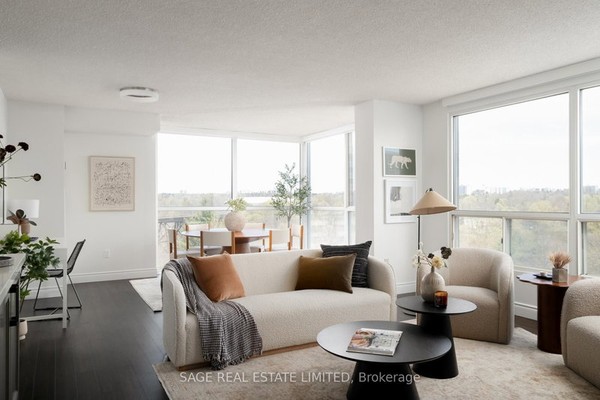
- Score each area for neighbourhood safety and daily convenience based on your real routine.
- Check monthly affordability using full housing costs, not just the purchase price.
- Test your TTC route during normal travel hours to measure realistic commute time.
- Review the school catchment fit if you may stay in the home for several years.
- Compare resale strength by looking at layout, location, practicality, and buyer demand.
Final Thoughts: How to Choose the Best Toronto Neighborhood for Your First Home
Choosing your first area in Toronto is rarely about finding a perfect neighbourhood. It is about making a well-matched decision that supports your budget, daily routine, and next stage of life. For many Toronto first-time home buyers, the best neighborhoods in Toronto are the ones that stay manageable after closing, not the ones with the loudest reputation.
As you narrow your shortlist, focus on fit you can live with for several years, not just what looks good in one showing. A strong decision usually comes from comparing Toronto neighbourhoods with clear priorities, realistic numbers, and a calm process. That approach helps you buy with more confidence and fewer regrets.
FAQs
Should I pick a Toronto neighbourhood first, or choose a home first?
In most cases, it is easier to start with the area first. That gives you a more realistic shortlist based on budget, commute, and the type of home you actually want. It also saves time, because you stop chasing listings that look great online but do not fit your day-to-day life once you check the location.
How can I tell if a neighbourhood fits my budget, not just the asking price?
Look at the full monthly picture, not only the sale price. A smart budget check includes total monthly costs and payment comfort, including mortgage, property tax, utilities, condo fees if you are buying a condo, and some room for repairs or surprises. That is a much better way to compare the best neighborhoods in Toronto than using approval numbers alone.
Is buying a condo in Toronto a bad first move?
Not at all. For many buyers, a condo is a practical first step because of lower entry pricing and less maintenance. The key is choosing a unit with strong daily livability and future resale potential, such as a functional layout, good TTC access, and an area people will still want a few years from now.
Resources
https://trreb.ca/
https://www.toronto.ca/
https://data.torontopolice.on.ca/
https://www.tps.ca/
https://www.ttc.ca/







Comments