
 By
By 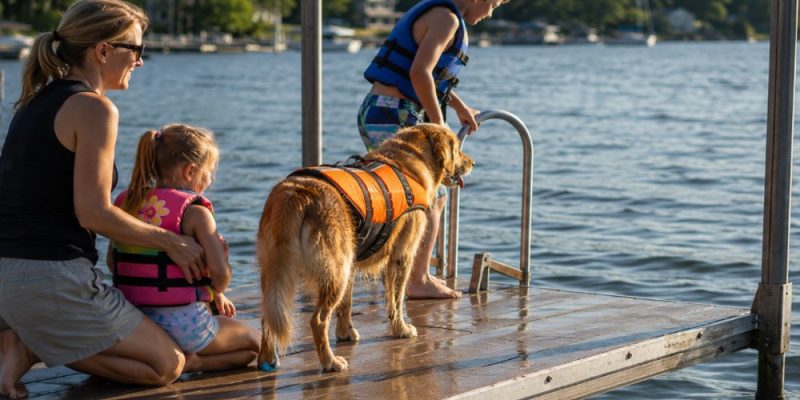
A dock can be one of the best parts of waterfront living. It is where families fish, relax, launch kayaks, watch sunsets, and spend time near the water. Pets love it too. Dogs especially seem to treat a dock like their own little adventure path.
But docks also come with real safety risks. Wet surfaces, open edges, boat traffic, changing tides, loose boards, and sudden weather can create problems fast. For families with children or pets, a dock should never be treated like a regular backyard deck. It needs extra care and attention.
Here are practical dock safety tips that can help make waterfront time safer and more enjoyable.
Check the Dock Before Using It
Before letting children or pets walk onto the dock, take a quick look around. This does not need to be complicated. Just check for anything that looks loose, sharp, slippery, or unstable.
Look for cracked boards, raised nails, missing screws, loose railings, weak steps, damaged cleats, or broken edges. Also check for algae buildup, puddles, and slick spots. A dock can look fine from a distance, but one soft board or loose fastener can cause a fall.
If something feels unstable, keep everyone off that section until it is repaired.
Use Non-Slip Surfaces
Water and smooth surfaces do not mix well. A dock gets wet from rain, waves, boat use, and even morning moisture. This makes slipping one of the most common dock hazards.
Non-slip decking, textured mats, grip strips, and proper surface coatings can help reduce the risk. This is especially useful near boat slips, ladders, steps, and areas where people often enter or leave the water.
For pets, traction matters too. Dogs can slip when they run, turn quickly, or jump from a boat. If your pet hesitates on the dock, the surface may feel unsafe under their paws.
Add Railings Where They Make Sense
Not every dock has railings, but they can make a big difference for families. Railings are helpful on long walkways, elevated docks, ramps, or areas used by young children and older adults.
A railing can give people something to hold onto when the dock is wet or moving slightly. It can also help create a clear boundary near the edge.
For pet owners, railings may reduce the chance of dogs stepping off the side, especially if the dock is busy or narrow. Still, small pets may fit through open gaps, so spacing matters.
Keep Children Within Reach
Children should always be supervised near docks. Even strong swimmers can panic if they fall unexpectedly. A simple slip can become serious when the water is deep, cold, or moving.
Young children should stay within arm’s reach of an adult. Running, pushing, rough play, and jumping near boat traffic should not be allowed. It may sound strict, but docks are not the best place for wild play.
Set clear rules before anyone walks onto the dock. Simple rules work best: walk slowly, stay away from the edge, wear a life jacket, and ask before getting into a boat.
Use Life Jackets
Life jackets are one of the easiest safety steps for children and pets. Children should wear properly fitted life jackets when near the dock, especially if they are young, new swimmers, or close to deep water.
Pets may need life jackets too. Not all dogs are natural swimmers. Some get tired quickly. Others panic when they fall in. Small dogs, older dogs, and flat-faced breeds may have a harder time staying above water.
A pet life jacket with a handle can make it easier to lift a dog out of the water if needed.
Create a Safe Pet Routine
Pets need dock rules just like children. Train dogs to walk calmly, wait before entering boats, and come when called. Avoid letting pets run freely on the dock if boats, hooks, fishing gear, or guests are nearby.
Keep fresh water available so pets do not drink lake, river, or saltwater. Also watch their paws. Dock surfaces can get hot in the sun, and rough boards can cause splinters or cuts.
After swimming, rinse pets off if they have been in saltwater or dirty water. This helps protect their skin and coat.
Store Gear Properly
A cluttered dock is a risky dock. Fishing rods, ropes, buckets, coolers, tools, and water toys can become trip hazards. Hooks and sharp equipment should always be stored away from children and pets.
Ropes should be coiled neatly. Dock lines should not cross walkways. Wet towels and loose gear should not be left where people walk.
Keeping the dock clean and organized makes it safer for everyone.
Watch the Weather
Weather can change quickly near the water. If you hear thunder, see lightning, or notice strong wind moving in, leave the dock. Do not wait until the storm is directly overhead.
Wet boards, rough water, and poor visibility increase the risk of falls and accidents. It is always better to return later than take chances during bad weather.
Make Safety Part of Dock Life
Dock safety does not need to feel stressful. Most of it comes down to simple habits. Check the structure. Walk carefully. Use life jackets. Keep children close. Train pets. Store gear properly. Leave when weather turns bad.
A dock should be a place where families feel relaxed, not worried. With a few smart safety steps, children, adults, and pets can enjoy the water with more confidence and fewer risks.
This post was written by a professional at Supreme Marine Floating Docks. Supreme Marine Floating Docks is dedicated to providing top-quality floating dock Palm Beach and marine accessories that combine durability, innovation, and superior performance. While we are a new brand, our team brings over 50 years of combined industry experience, making us a trusted name in the marine world. We are passionate about designing and delivering products that meet the highest standards, ensuring reliability and longevity in all marine environments. Whether for residential, commercial, or recreational use, our docks are crafted with precision and care, setting a new benchmark in the industry. At Supreme Marine, we don’t just build docks-we create lasting solutions.











Comments