
 By
By 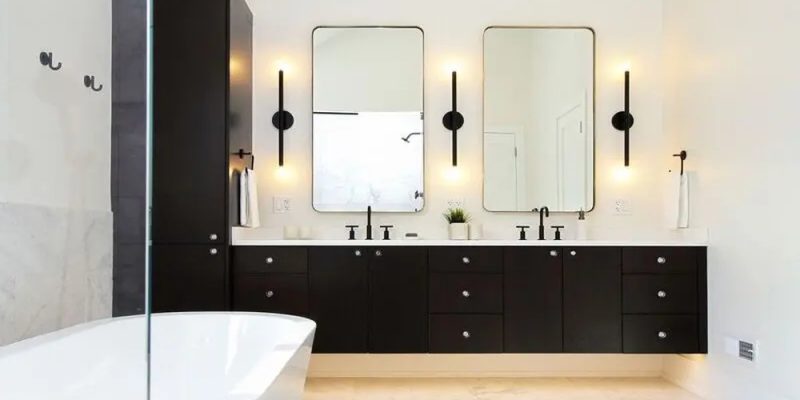
Your bathroom vanity sets the tone for the entire space. Choose wisely, and it becomes a hardworking focal point; get it wrong, and daily routines become an exercise in frustration. So how do you balance must-have storage with dimensions that actually fit your bathroom, not just your Pinterest board?
Measuring Your Bathroom Space: The Foundation of Balance
Precision is everything. Start with three essential measurements: the width of the area designated for the vanity, the depth (how far it projects from the wall), and the height from floor to proposed countertop. It sounds simple, but there are hidden pitfalls waiting, especially in older or irregular spaces.
Clearance is crucial. If your vanity collides with a door or blocks a pathway, every trip to the bathroom becomes an awkward shuffle. Always check how far any door swings open (bathroom, shower, or closet) and ensure nothing impedes smooth movement. For example, in a classic condo layout with limited square footage, failing to account for the bathroom door swing can render even a stylish vanity nearly unusable.
Choosing the Right Vanity Size: Matching Scale to Space
Vanities come in standard widths: 24, 30, 36, 48, 60, and 72 inches. For most single-sink needs, 24 to 48 inches usually hits the sweet spot. Double vanities often start at 60 inches, optimal for shared or master bathrooms.
Smaller bathrooms benefit from compact vanities, think 24 or 30 inches wide and 18 inches deep. These options maximize available space, making the room feel open rather than cramped. One Vancouver homeowner swapped a generic pedestal sink for a 36-inch vanity in their guest bath and instantly gained hidden storage and a more inviting space, all without overwhelming the room.
Single Sink vs. Double Sink: Functionality Meets Footprint
The dream of side-by-side sinks is real, especially for couples with busy mornings. Yet, unless your bathroom measures at least 60 inches wide where the vanity will go, a double sink may backfire. You need enough counter and drawer space so two people can actually use the area at once.
| Feature/Need | Single Sink (36-48″) | Double Sink (60″+) |
|———————|———————|——————-|
| Fits smaller rooms? | ✅ | ❌ |
| More counter space? | ✅ | Can be less |
| Ideal for couples? | Possible | ✅ |
| Minimum width | 24-48″ | 60″+ |
One couple debated double versus single sinks in their newly remodeled bath. Ultimately, a 48-inch single-sink vanity gave them ample storage and counter space, while a 60-inch double would have forced them to compromise on drawer capacity and made the room feel tight.
Storage Solutions That Don’t Overwhelm Your Bathroom
Organization is key, but bulky cabinetry can quickly dominate a modest bathroom. Drawers usually win out over single-door cabinets, making it easier to access everything from hairdryers to extra toothpaste without digging through clutter.
Open shelving and decorative baskets can add style while keeping essentials within reach. In one small master bath, a homeowner chose a three-drawer vanity to corral toiletries, then added baskets beneath for towels. The result? Streamlined mornings and no wasted floor space.
Plumbing Considerations: Working Within Existing Constraints
Plumbing rarely gets the spotlight, but changing water or drain lines is costly and disruptive. Always measure where your existing plumbing sits, and look for vanities designed with flexible plumbing setups. Many models feature moveable back panels or adjustable drawers to accommodate tricky pipe locations. Recently, a homeowner avoided thousands in extra costs by selecting a vanity that fit the current drain position, proving that smart choices often start behind the scenes.
Creating Comfortable Clearance and Traffic Flow
Bathroom bliss is impossible if you are constantly squeezed for space. Leave at least four inches of clearance on each side of the vanity, and a minimum of 30 inches of open floor in front for easy use. If the vanity sits near a toilet, keep at least 15 inches between the two fixtures. One clever remodeler managed to boost elbow room simply by shifting the vanity a few inches from the wall, creating better movement without expanding the footprint.
Vanity Height and Depth: Balancing Comfort and Design
Modern vanities are typically 36 inches high, an upgrade from the 32-inch standard in older homes. This subtle shift can make a big difference in daily comfort, especially for taller users. Shallower vanities (18 inches deep) preserve floor space in narrow bathrooms, while deeper models (21 inches or more) maximize storage and counter area.
A Toronto family found that an 18-inch deep vanity still offered plenty for their needs while drastically improving maneuverability in their narrow en suite.
Bringing It All Together: Designing a Vanity That Fits You and Your Bathroom
Every bathroom tells a unique story, shaped by daily routines and storage needs. Before you commit, it helps to visualize different sizes either with cardboard cutouts or by visiting showrooms and comparing models side by side. Experts suggest exploring resources like what size bathroom vanity do I need? to arm yourself with all the right questions and measurements.
Ultimately, the right balance means a vanity that fits your space, your habits, and your organizational style. With careful measuring, thoughtful storage choices, and attention to flow, you can create a bathroom that feels both functional and personal, no compromises required.





Comments