
 By
By 
Silverfish thrive in the same quiet, damp places many Lower Merion homes and offices struggle to keep dry: stone basements, utility closets, and bathrooms with poor ventilation. These small, quick pests can go unnoticed for months while they graze on paper, adhesives, and natural fibers—leaving frayed edges, pepper-like specks, and mysterious holes behind. This guide explains how they behave, where they hide, and what it takes to push them out for good with both gentle and more assertive methods. You’ll learn practical ways to lower moisture, deny access, and protect high-value items like books and textiles. If you’re tired of finding damaged storage boxes or flecks on book spines, Discover Now how strategic prevention and timely treatments can restore peace of mind.
Understanding Silverfish Behavior in Damp Indoor Spaces
Silverfish are nocturnal, light-averse insects that prefer steady moisture and steady temperatures, which is why basements, attics, and utility rooms in Lower Merion are frequent hotspots. They don’t bite or spread disease, but they do feed on starches and proteins found in glue, paper, fabrics, and even pantry staples. Because they’re fast and flat-bodied, they slip easily under baseboards and into tiny cracks, often emerging at night to forage. In older homes with stone foundations and long-standing humidity issues, silverfish can establish small colonies that persist year-round. If you’re unsure whether the odd sighting is an isolated issue or the tip of an infestation, a trusted silverfish exterminator lower merion homeowners rely on can help confirm hot zones and build a plan.
Common Habitats and Movement Patterns
Silverfish tend to follow edges along walls and trim, so dust lines and baseboard gaps become their highways. You’ll often see them near cardboard boxes, stacked newspapers, or shelves where book bindings contain starchy adhesives. Bathrooms with steamy showers and no active exhaust, laundry rooms with dryer leaks, and basements with mild seepage are classic hangouts. They prefer consistent environments, which means that even a small but constant moisture source—a sweating pipe or a perpetually damp sill—can support an ongoing population. Understanding these routines lets you target control efforts precisely where they hide and move, rather than treating only where they’re occasionally seen.
Damage Risks to Fabrics, Paper, and Stored Items
The most visible cost of a silverfish problem is the silent, cumulative damage to beloved or valuable belongings. Book edges may look feathered or scalloped, photo albums can develop irregular nibbles, and wallpaper may peel as the starch is consumed from behind. Natural-fiber clothing—especially cotton, linen, and silk—can develop small holes or fraying along seams, and stored linens can show mysterious thinning. Pantry staples like cereal or flour are also at risk if packaging is accessible, particularly when boxes are stacked in damp closets or basement shelving. When the items are sentimental or archival, the financial and emotional impact compounds quickly.
Identifying Telltale Signs of Feeding
Before you even see an insect, you might find pepper-like droppings, faint yellow smears, or tiny scales that shed as silverfish move. Look closely at book spines for roughened or notched edges and at the undersides of cardboard boxes for nibbling patterns along corners. Fabrics stored without sealed containers may show subtle pinholes that multiply over time, especially if they’re kept near damp walls. If damage recurs after basic cleaning and patching, it’s a sign the population is established and not just wandering in. At that stage, a silverfish exterminator lower merion residents trust can help distinguish cosmetic wear from active feeding and prioritize protection for your most at-risk items.
Non-Toxic Treatment Options for Silverfish Control
When the infestation is light or you prefer to start gently, non-toxic approaches can be remarkably effective. The key is to combine moisture reduction, clutter control, and targeted interception so you limit harborage and make foraging risky. Desiccant powders such as diatomaceous earth or silica aerogel can be applied into wall voids, baseboard gaps, and around utility penetrations, abrading the insects’ waxy layer and causing dehydration. Sticky traps help you map where silverfish travel most, so you can focus your efforts where they’re actually moving. For sensitive spaces like nurseries or home offices, carefully placed traps and physical exclusion can deliver results without heavy chemicals.
Practical, Family-Safe Steps
Begin by decluttering and elevating belongings off the floor, particularly in basements and closets where airflow is limited. Swap cardboard for sealed plastic totes, and consider acid-free storage for paper archives to deter feeding and protect against moisture. Apply a thin, even dusting of desiccant into cracks and behind trim where vacuuming won’t immediately disturb it, taking care to avoid breathing dust. Use traps as monitors to verify progress and reposition them toward new activity if needed. As you adjust ventilation and storage, Discover Now which low-risk options align with your space and sensitivity levels so you can sustain long-term results without guesswork.
Chemical Solutions for Severe Infestation Cases
In moderate to heavy infestations—especially in large buildings or multi-level homes—chemical options can speed control when paired with moisture management and exclusion. Crack-and-crevice applications of residual insecticides labeled for silverfish, such as certain pyrethroids, can treat hidden travel routes without overexposing living areas. Borate-based sprays penetrate porous materials like bare wood and some masonry, offering extended protection that discourages feeding in out-of-sight spaces. Insect growth regulators (IGRs) may reduce population rebound by disrupting maturation, complementing residuals and desiccants. Effective plans are measured and targeted, not blanket sprays that ignore root causes.
When Professional-Grade Products Make Sense
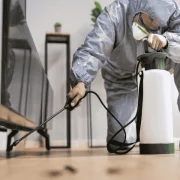
Professionals bring precision: they identify primary harborages, calculate safe dosages, and apply products deep inside voids where over-the-counter tools struggle. They also integrate monitoring, exclusion, and humidity reduction, so chemicals work as a short- to mid-term accelerator rather than the only solution. For heritage properties or collections, a seasoned silverfish exterminator lower merion collectors recommend can tailor non-staining products and application techniques to protect finishes and bindings. If you’re weighing whether to step up from non-toxic methods, ask for an inspection that outlines product choices, safety profiles, and expected timelines. That way, you apply chemistry with purpose and avoid unnecessary exposure while achieving faster, durable knockdown.
Reducing Humidity to Prevent Pest Reproduction
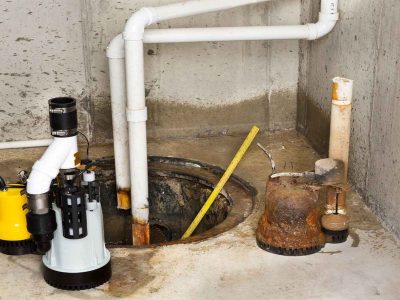
Humidity isn’t just a comfort issue—it’s the engine that keeps silverfish thriving. Aim to maintain relative humidity under 50% in basements, storage areas, and rooms with moisture-producing appliances. Modern dehumidifiers with continuous drain lines make maintenance simple, and pairing them with sealed sump covers, repaired gutters, and extended downspouts keeps new moisture from entering. Ventilating bathrooms and laundry rooms, fixing sweating pipes, and insulating cold surfaces will limit condensation that silverfish exploit. When moisture drops, eggs and nymphs struggle, and the population wanes even without aggressive treatments.
Moisture-Reduction Priorities That Work
Start by measuring: place hygrometers in the most problematic rooms to get a baseline and confirm improvements as you adjust systems. If basement walls feel cool and damp, consider installing vapor barriers and sealing penetrations, then add a dehumidifier sized for the square footage and moisture load. Regrade soil or extend leaders to route water well away from the foundation, and check that dryer vents exit outdoors without leaks. For interior hotspots, upgrade bath exhausts to run via timer or humidity sensor, and encourage air circulation by keeping storage off exterior walls. With moisture controlled, every other tactic—exclusion, traps, or professional treatments—delivers better, longer-lasting results.
Sealing Cracks and Gaps to Block Silverfish Entry
Exclusion denies silverfish the micro-gaps they use as safe passage between food, moisture, and shelter. Focus on the seams where different materials meet—baseboards to flooring, door casings to drywall, and utility lines entering cabinetry. In basements, gaps at the sill plate, around pipe penetrations, and along stair stringers are common highways into living spaces. Use high-quality silicone or polyurethane sealant for tight joints, and pack larger voids with backing rod or copper mesh before sealing. Door sweeps and threshold adjustments can also slow ingress from garages, crawl spaces, and utility rooms.
Materials and Methods That Last
Work systematically from the lowest to the highest floors, marking points of light and airflow with painters’ tape before sealing to avoid missed spots. For masonry or stone, choose sealants compatible with slight movement, and avoid quick fixes that crack during seasonal shifts. Around utility penetrations, pair mesh with sealant so the barrier remains if the sealant contracts over time. If baseboards are slightly gapped, a thin bead of paintable sealant not only blocks access but also reduces dust accumulation that can attract silverfish. Take time to smooth and cure properly; durable seals outlast temporary patches and support every other control measure you deploy.
Importance of Early Professional Intervention
Early intervention limits damage, shortens treatment timelines, and lowers costs by targeting silverfish before they spread to multiple rooms or floors. A trained technician can distinguish between incidental sightings and established colonies by reading movement patterns, moisture levels, and structural clues. They bring specialized tools—like inspection mirrors, moisture meters, and low-toxicity dusters—that make treatments more effective without overapplication. For Lower Merion’s blend of historic homes and modern offices, this expertise is especially valuable where sensitive finishes or archives demand finesse. Acting early also preserves trust with tenants, employees, or family members who want a clear plan and quick results.
What Local Expertise Adds to Your Plan
Local pros understand seasonal humidity swings, older stone foundations, and the hidden voids common in regional construction. They’ll design integrated programs combining moisture control, exclusion, targeted treatments, and ongoing monitoring so problems don’t resurface. When valuables, collections, or commercial records are at stake, a silverfish exterminator lower merion property managers recommend can set preventive thresholds and service intervals that fit your risk profile. If you’re deciding whether to move from DIY steps to a structured plan, Discover Now how a professional assessment can shorten the path to a silverfish-free environment. With the right partner and well-timed action, you protect both your belongings and the integrity of your property.








Comments