
 By
By 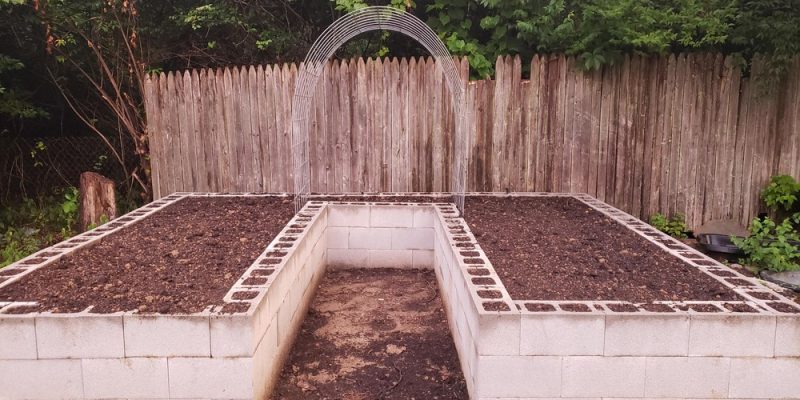
Raised garden beds are a popular choice among St. Louis, Missouri homeowners, and there is good reason for that. They provide fresh produce, better soil control, and an attractive appearance for any backyard. But here is the thing that most gardeners do not realize: that same wooden structure parked in your yard can become a thriving insect colony at rest.
So this article will break down which insects are most common in St. Louis, Missouri raised beds, why the structure itself invites them, and what you can do to get ahead of the problem before it is even bigger. Pointepestcontrol.com helps homeowners stay ahead of seasonal infestations before they take root.
Why St. Louis, Missouri’s Climate Makes Raised Beds a Hotspot for Insects
St. Louis, Missouri lies in a humid continental climate zone where summers are hot and humid and spring and fall are relatively mild. That warmth is good for growing tomatoes, but it is also good for pests.
Raised beds absorb and retain heat longer than in-ground gardens, so they remain warm long into fall. For overwintering insects, that land is prime real estate. St. Louis, Missouri’s climate allows pest activity for longer periods at both ends than in colder regions.
Common Insects That Colonize Raised Garden Beds in St. Louis, Missouri
Gardeners in St. Louis, Missouri have a particular group of pests that are well adapted to local growing conditions. Here is what to watch for:
Carpenter Ants – Attracted to damp, untreated wood frames; gradually, they bore into softened timber and form large colonies
Aphids – Love the densely packed vegetable plantings common in home gardens, and reproduce quickly on new foliage
Earwigs – Prefer the dark, damp undersides of raised bed liners where overnight moisture gathers
Cutworms/Armyworms – Lay their eggs near plant roots, burrowing into the loose and aerated soil often found in raised beds
Pillbugs/Sowbugs – Reproduce extensively in the nutrient-rich, composted soil mixes commonly used by gardeners
Structural Features of Raised Beds That Invite Pest Activity
It is not only the plants that draw in insects: the very physical design of a raised bed fosters conditions pests seek out. Wood frames absorb moisture from irrigation and rain, and as they age, softening makes them easier for insects to inhabit. The structure itself does a lot of the heavy lifting for them.
Specific features that contribute include:
Moisture-retaining wood frames (cedar or pine) that slowly decay from within
Hollow spaces between frame boards in which ants and beetles can grow unhindered
Heat-retaining mulch or straw top dressing that maintains a steady moisture level in the soil surface
Placement close to home foundations, a setup found in most St. Louis, Missouri backyards, which allows insects to move easily from garden to structure
Warning Signs Your Raised Bed Has an Insect Colony
Sawdust-like frass on or near wood joints or corners
Wilting plants despite consistent watering
Grains of sugar along the edge of a bed
Bitten branches or damaged roots at the soil surface
Groups of eggs beneath the liner or the bottom boards
When to Call a Pest Control Professional in St. Louis, Missouri
DIY solutions tend to focus on what is visible, but they often neglect colonies nesting below the bed or inside wooden frames. Untreated carpenter ant and cutworm infestations can expand from garden structures into your house.
Local professionals, such as Pointe Pest Control serving the St. Louis, Missouri area, understand seasonal pest cycles and can determine whether activity in your garden points to a larger infestation that requires treatment.







Comments