
 By
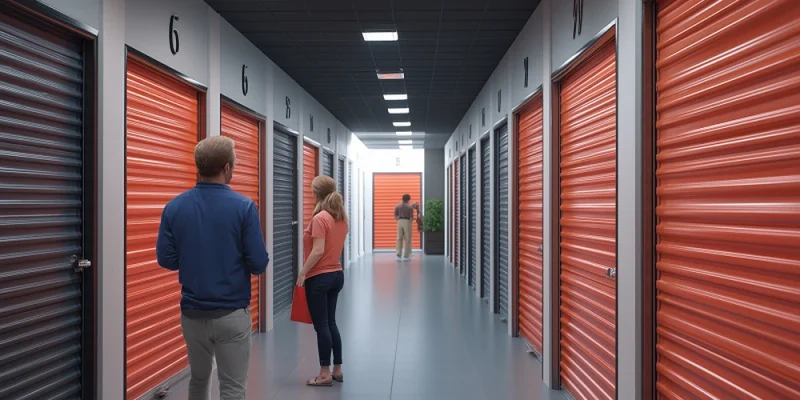
How much of what you’re planning to store would actually fit inside a locker instead of a full-sized unit? Most people never ask the question, they jump straight to booking a unit because that’s the first result that comes up, and end up paying for square footage they never fill. It’s a small decision at the time, but it compounds every month the rental runs.
The Mistake That Costs Extra Every Month
Searching for storage units in Singapore usually turns up listings sorted by size, starting small and working up, and it’s tempting to pick something in the middle just to be safe. That instinct is exactly what leads to overpaying, since a unit sized for comfort rather than actual volume can sit half-empty for the whole rental period while the monthly charge stays the same regardless.
A common version of this plays out during a home renovation. People book a medium unit because the listing looked reasonably priced, only to realise weeks later that everything they own could have sat on two or three shelves. Switching down a size usually means waiting out the current term first, so the overpaying continues longer than it needed to.
Three Situations Where a Locker Is Plenty
- Downsizing a home: boxed documents, keepsakes, and seasonal decorations that don’t need daily access rarely add up to more than a locker’s worth of space
- Running a small business: retail stock, samples, or paperwork for a home-based business usually fits a locker long before it needs a full unit
- Switching seasons: bulky bedding, fans, or heaters that only come out for part of the year are a near-perfect match for locker-sized storage
What a Locker Still Can’t Replace
None of this means a locker works for everything. Furniture, appliances, renovation overflow, or anything that needs to be stacked rather than stored flat on a shelf will outgrow a locker almost immediately. The honest test is whether what’s being stored could physically sit inside a space roughly the size of a wardrobe. If the answer is clearly no, a unit is the right call and a locker was never really in contention to begin with.
There’s also a practical limit on weight and shape that gets overlooked. A locker’s shelving is built for boxes and smaller items, not for a mattress leaned against the wall or a stack of dining chairs, even if the total volume would technically fit. Trying to force an awkward shape into a locker usually means something gets damaged before it gets stored properly.
One Question That Settles the Sizing Debate
SelfStore’s own guide on locker rentals puts it plainly: list out everything that’s actually going in before comparing prices, not after. Most people do this backwards; they pick a price point first and then try to make their belongings fit the size that matches it, which is how a locker ends up overstuffed or a unit ends up mostly empty.
The same guide also flags something easy to miss: how often the items will need to be pulled out again. A locker rented for things that get visited weekly is a different proposition from one rented for things that stay untouched for a year, since frequent access tends to favour a facility with longer or more flexible opening hours over the cheapest option on paper.
A Quick Gut-Check Before You Commit
A short mental walkthrough tends to settle the decision faster than scrolling through size charts.
- Picture everything laid out on the floor in one place, not boxed yet.
- Estimate whether it would fit standing upright in a space the size of a single wardrobe.
- If anything needs to lie flat or be stacked more than waist height, size up to a unit instead.
This whole exercise takes less time than reading through a size chart, and it tends to produce a more honest answer, since it’s based on what’s actually being stored rather than a guess at a category label like ‘small’ or ‘medium’ that can mean different things at different facilities.
The Two-Minute Reality Check
Before signing anything, it’s worth running through this once: how often will the stored items need to be accessed, is anything fragile or climate-sensitive enough to need air-conditioning, and would the whole lot genuinely fit in a locker-sized space without being crammed in. Answering these three honestly, rather than optimistically, is usually enough to land on the right size the first time instead of upgrading or downsizing a few months in.
It’s worth doing this check even for things that feel obviously locker-sized or obviously unit-sized, since the whole point is catching the cases that aren’t obvious at all. A little time spent here costs nothing, while guessing wrong costs a few extra months of paying for space that either doesn’t fit everything or never gets filled.
Not sure which one fits your situation? Contact SelfStore and describe what needs storing; they can usually tell within a few questions whether a locker covers it or a unit is the better call.






Comments