
 By
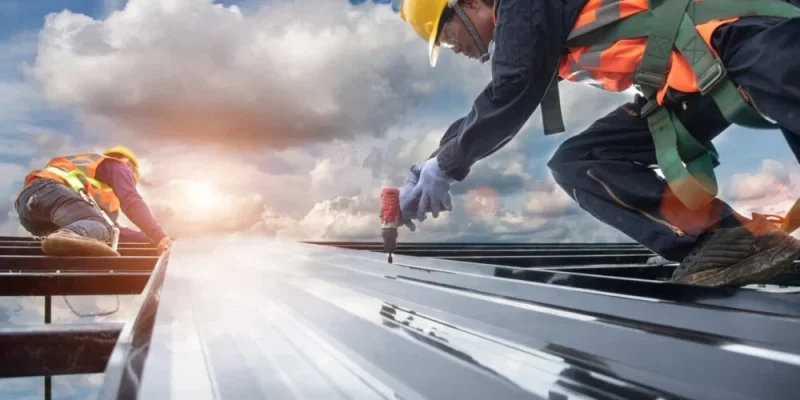
It is important to keep your roof in good condition. If there are small issues such as leaks or damage, it can be tempting to try to fix them yourself to save money. However, this can cause incorrect diagnosis of roof faults and can pose a risk to your safety. This will only cause more issues in the future.
Using a professional with the correct qualifications, you will be assured that your roof will be high quality and durable. You can click here to see the various roofing services for homes.
DIY Roofing – What To Expect
Many people will choose to do their own roofing as they want to save some money. They may also not want to wait to fix the obvious issues with their roof, such as missing tiles. The internet makes roofing appear very easy and only requires basic tools and sealants.
Unfortunately, it is not quite as easy as it seems. There is often an underlying issue causing the obvious problem. This could be caused by rot, poor underlayment, or faulty flashing. Without knowing how to properly diagnose roof faults, you can cause bigger issues.
Risks Of DIY Roofing
Working At Heights
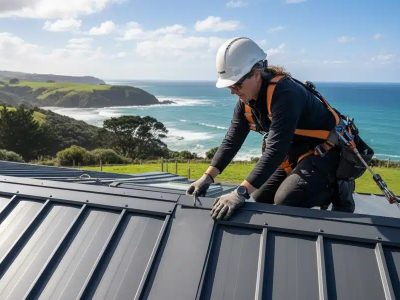
Roofing can be one of the most dangerous jobs you can do around your home. Steep slopes, heavy materials, and uneven surfaces can cause issues. Falls from roofs make up a large number of injuries during house building, according to the Occupational Safety and Health Administration (OSHA). DIY roofing does not generally include safety equipment such as harnesses and specialised footwear, so there are high risks involved.
Voiding Warranty
Incorrect installation can cause you to void your warranty. Most manufacturers require specific nails, temperatures, and materials to be used to receive warranty. Incorrect sealing, poor nailing, or shingles that are not aligned will create channels allowing water to run under the barrier, resulting in interior mold, rotted wood, and costly structural repairs later on.
Benefits Of Using A Professional
Using a roof contractor will give you high quality materials, specialised tools, and experience. A professional will carry out a survey to identify what the issue is with your roof and not just patch up any leaks. Using the best underlay, flashing, and ventilation options, your roof will last.
Using professionals will give you double protection with warranties from the manufacturers and guarantees from the contractors. To find the best specialists, you can click here.
DIY Roofing Vs Professional Roofing – Comparison
| Factor | DIY Approach | Professional Approach |
|---|---|---|
| Personal Safety | High risk of fall injuries | Trained crews with OSHA-compliant safety gear |
| Initial Cost | Lower upfront cost (materials only) | Higher upfront cost (covers skilled labor & gear) |
| Long-Term Cost | High risk of recurring damage | Cost-effective due to long-term durability |
| Warranty Protection | Risk of voiding manufacturer warranty | Full manufacturer & workmanship warranties |
| Completion Speed | Slow; dependent on weather and time | Fast; completed efficiently by dedicated teams |
When Is DIY Acceptable and When Should You Call a Pro?
Homeowners should know when to step back to avoid any risks to your safety and home value.
You can DIY:
- Clearing twigs, leaves, and debris from gutters.
- Looking at the roof surface using binoculars.
- Replacing easily accessible downspout extensions.
You should use roofing professionals:
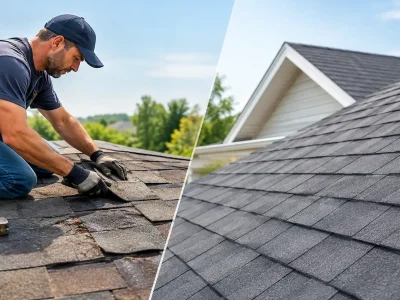
- Fixing or replacing missing, damaged, or curled shingles.
- Preventing active leaks or watermarks on ceilings.
- Installing or repairing valley flashing, chimney flashing, or pipe boots.
- Full roof survey after a large hail, wind, or ice storm.
Choosing The Right Option For Your Future Home
Overall, it is nice to DIY some home improvements; however, roofing requires skilled professionals, safety, and accuracy. Although DIY roofing can appear cheap, if there are hidden leaks causing damage to your structure or early issues with your roof, this will soon become apparent.





Comments