
 By

Drive from downtown Beaufort out to Lady’s Island, then over to Bluffton and Hilton Head, and the housing changes almost every few miles. Tabby foundations and wide porches give way to raised cottages on pilings, then to slab ranch homes, then to newer subdivisions with tight walls and vaulted ceilings. Each of these houses breathes, holds heat, and handles moisture differently.
That variety matters more than most people expect when it comes to comfort. A cooling system that works perfectly in a brick ranch near Burton can struggle in a raised home on a tidal creek, even if the square footage is the same. The way air moves through a house depends on its height off the ground, where the ducts run, how tightly it was built, and how often someone is actually living in it.
Homeowners looking into Beaufort County residential hvac work often find that the best results come from contractors who study the house first and the equipment second. Beaufort County residential hvac providers like the Ridgeland based team behind tidelandsairconditioning.com, which has served the area for over 30 years as a Bryant factory authorized dealer with NATE certified technicians, typically look at layout, insulation, and daily usage patterns before suggesting a system. That approach fits a county where no two neighborhoods are built quite alike.
Historic Homes in the Point and Old Commons
Beaufort’s historic district holds homes built long before central air existed. Thick walls, tall ceilings, and transom windows were designed to move air naturally and shed heat through cross breezes. Adding modern cooling without disrupting plaster, millwork, or original floors takes care.
Many owners of older homes turn to ductless mini split systems or small duct high velocity systems. Both need far less space than traditional ductwork, so installers can avoid cutting through historic walls and ceilings. According to ENERGY STAR guidance on ductless heating and cooling, certified ductless heat pumps can deliver efficient zoned comfort without the energy losses common in leaky duct runs, which makes them a natural fit for houses never built for ducts.
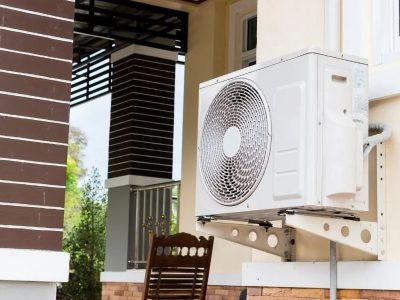
Placement of outdoor equipment also deserves thought in these neighborhoods. Units visible from the street may draw attention from historic review, so tucking condensers behind landscaping or along a side yard is often part of the plan.
Raised Homes on Pilings and Piers
Across Lady’s Island, St. Helena, Fripp, and many marsh front lots, homes sit high off the ground to handle tides and flood zones. That elevation creates a unique challenge. Ductwork often runs beneath the floor, exposed to outdoor heat, humidity, and salty breezes.
Ducts in these open spaces lose cooled air quickly if their insulation is thin or their joints are loose. Condensation can form on the outside of cold ducts on muggy nights, dripping onto framing below. Over time, sagging duct runs and torn insulation become common, and rooms at the far end of the house start running warmer than the rest.
Enclosing and insulating the underside of the home, upgrading duct insulation, or moving ducts into conditioned space are all options worth discussing. Air handlers in these houses are frequently mounted on raised platforms as well, keeping them above potential floodwater.
Slab Ranch Homes from the Middle Decades
Port Royal, Burton, and parts of Beaufort itself have plenty of single story homes built on concrete slabs. These houses usually have ducts in the attic, which in a Lowcountry summer can easily climb well above outdoor temperatures.
Attic heat puts a heavy load on any duct system. Common upgrades include sealing duct connections, adding attic insulation, improving ventilation, and checking that the return air path is large enough. In many of these homes, the original system was sized by rough rule of thumb, so a proper load calculation during replacement can reveal that a smaller, better matched unit would work more evenly.
Newer Builds in Bluffton and Okatie
Recent subdivisions are built much tighter than older homes. Better windows, spray foam insulation, and sealed attics keep heat out efficiently. The tradeoff is that moisture stays in more easily.
A tightly built home with an oversized air conditioner can feel cool but clammy, because the system reaches its set temperature before running long enough to pull water from the air. Some owners notice a musty smell or condensation around vents. Variable speed systems, dedicated whole home dehumidifiers, and controlled fresh air ventilation are increasingly common answers in newer construction.
Moisture control matters for more than comfort. The EPA’s guide to mold, moisture, and your home recommends keeping indoor humidity below 60 percent, ideally between 30 and 50 percent, to discourage mold growth. In a humid coastal county, reaching that range often depends on the cooling system doing its job well.
Second Homes and Seasonal Rentals
Many island properties sit empty for weeks or months between visits. An unoccupied house in this climate can turn damp surprisingly fast if the cooling system is shut off or set too high.
Owners of part time homes tend to rely on a few simple habits:
- Keeping the thermostat at a moderate setting rather than turning cooling off completely
- Using a humidity setpoint or standalone dehumidifier to hold moisture in check
- Installing a smart thermostat that sends alerts if temperature or humidity climbs
- Scheduling a system check before peak rental season begins
These steps help prevent mold on furniture, swollen doors, and stale odors that greet guests when the house reopens. They also catch small issues like clogged condensate drains before they cause water damage while nobody is around.
Matching the System to the House
The common thread across all these home types is that equipment alone does not decide comfort. Duct location, insulation, house tightness, and occupancy patterns all shape how a system performs. Two neighbors with identical units can have completely different experiences because their homes were built decades apart.
When it comes time to repair or replace a system, homeowners benefit from asking how the recommendation fits their particular house. A good evaluation looks at where air is lost, where moisture builds up, and how the family actually uses each room. Questions about load calculations, duct condition, and humidity control often reveal more than comparing efficiency ratings on a brochure.
Living in a place with this much architectural character means accepting that comfort solutions will vary. A historic home downtown, a raised cottage on the marsh, and a new build near the Okatie River each ask something different from their heating and cooling systems. Understanding those differences is the first step toward a home that stays cool, dry, and comfortable through long coastal summers and mild winters alike.







Comments