
 By
By 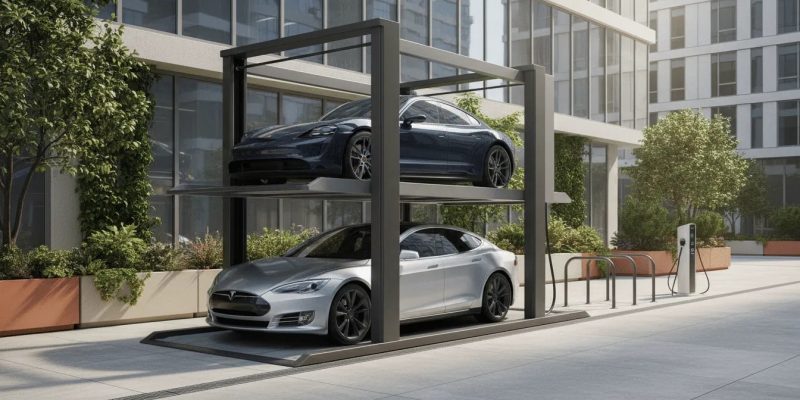
The Rise of Smart Parking: Revolutionizing Urban Mobility
Introducing Intelligent Parking Systems
In our increasingly urbanized society, the need for effective car parking solutions has become more critical than ever. Intelligent parking systems (IPS) are at the forefront of addressing this challenge, combining advanced technologies with innovative strategies to streamline the parking process. These systems utilize sensors, cameras, and real-time data analytics to monitor available parking spaces and guide drivers to them efficiently. The advantages of IPS are manifold; they reduce the time spent searching for parking, which studies have shown can occupy up to 30% of city traffic, thereby alleviating congestion and lowering emissions. Moreover, these systems can be integrated with existing infrastructure, enhancing usability without implying a complete overhaul of urban layouts.
How AI is Shaping the Future of Parking Solutions
Artificial Intelligence (AI) is revolutionizing parking solutions by far more than automating processes; it is enhancing the overall efficiency and experience of parking in urban environments. AI algorithms analyze vast amounts of data, allowing for predictive analytics that forecast parking demand based on real-time conditions and historical patterns. This capability enables cities to implement more effective strategies for managing parking inventory, such as suggesting optimal times for parking usage. Additionally, AI can power dynamic pricing systems that adjust parking fees based on demand, providing an economic incentive for drivers while simultaneously managing space utilization. As autonomous vehicle technology advances, AI-driven systems will likely play a crucial role in integrating vehicles into smart cities, where they automatically find parking spots upon reaching their destination.
The Role of Mobile Apps in Enhancing Parking Experiences
The advent of mobile applications has dramatically transformed the way we approach parking. These apps offer numerous functionalities that enhance user experiences, such as locating available spaces, reserving them in advance, and even facilitating payments all from the convenience of a smartphone. Through features like user reviews, localized data, and navigation assistance, parking apps empower drivers with knowledge that enables informed decisions. Many also include functionalities for electric vehicle (EV) charging spot identification, addressing the growing trend of eco-conscious consumers. Furthermore, such apps often integrate loyalty programs, encouraging users to return to platforms where they can enjoy benefits like discounts or priority bookings. As the future unfolds, we can expect more advancements in mobile technology that will continue to streamline the parking experience for urban dwellers.
Designing Space: The Aesthetics of Urban Car Parks
Innovative Architecture in Parking Structures
While the primary function of parking structures is to provide space for vehicles, architectural innovation is essential in transforming them into visually appealing landmarks. Modern car parks now embrace designs that reflect the urban environment, often transcending functional requirements to become integral components of city aesthetics. Innovations in materials, such as green roofs and permeable pavements, are being employed to create structures that contribute positively to the urban landscape. Furthermore, concepts such as modular construction and adaptive reuse of space allow cities to build parking with foresight, accommodating potential future changes in urban planning needs without compromising aesthetic values. Striking architectural designs can encourage engagement with these spaces, creating areas that are welcoming rather than merely functional.
Integrating Green Spaces within Parking Solutions
As urban areas become denser, the integration of green spaces in parking solutions is increasingly recognized as vital for promoting environmental sustainability and enhancing urban life quality. Green parking designs encompass a range of strategies, from roof gardens to biophilic designs, where vegetation can absorb carbon emissions and improve air quality. The incorporation of trees, landscaping, and even urban gardens within parking structures can significantly mitigate the heat island effect typical in urban environments. Furthermore, such biophilic designs invite biodiversity into cities, fostering ecosystems that can thrive alongside urban development. The psychological benefits of greenery reduction of stress, enhanced well-being, and increased community feelings demonstrate how gardens and green elements in car parks can contribute positively to community health.
Transforming Underutilized Areas into Efficient Parking Zones
Underutilized public spaces, such as vacant lots or abandoned buildings, present unique opportunities for innovative parking solutions. By harnessing these spaces, urban planners can create efficient parking zones that alleviate congestion without necessitating the construction of new facilities. Such transformations often involve collaborative community engagements to identify potential sites, assessing the socio-economic impacts that these conversions may have on local neighborhoods. Utilizing technology to optimize space usage, such as flexible pricing strategies based on peak hours, can ensure that the area is actively used without overwhelming the locality. Moreover, tailoring these designs to local aesthetics and community needs can further enhance acceptance and utility, fostering a sense of ownership among residents.
From Off-Street to On-Street: Exploring Diverse Parking Solutions
The Benefits of Automated Parking Garages
Automated parking garages represent one of the most significant advancements in parking solutions, facilitating space-efficient and high-density parking. In contrast to traditional parking facilities, which require significant space for driving lanes and aisle-widths, automated systems maximize the use of available real estate. These garages use robotic systems to park cars autonomously, which not only frees up valuable urban space but also enhances safety by reducing human error. Moreover, automated garages are ideal for urban environments where land is expensive and scarce. They can be designed to blend seamlessly into their surroundings often appearing as sleek, modern structures that not only serve a functional purpose but also enhance the urban aesthetic. The reduction in vulnerability to theft and vandalism is an additional advantage, appealing to drivers who prioritize their vehicles’ safety.
Dynamic Pricing Models: Balancing Supply and Demand
Dynamic pricing models, which adjust parking rates based on real-time demand and availability, are becoming increasingly prevalent in urban environments. This approach promotes a balanced ecosystem where parking spaces are fully utilized based on variable pricing that reflects the time of day, location, and general availability. These models create incentives for drivers to consider alternative modes of transit during peak times, thereby reducing congestion on the roads. Additionally, data-driven pricing helps cities gather insights into usage patterns, empowering them to make informed decisions regarding infrastructure investment and policy adjustments. The implementation of such models can also lead to a revenue boost for cities, which can be reinvested into public infrastructure and services, thereby creating a positive feedback loop that benefits the entire urban community.
Multi-Modal Transportation: Integrating Parking with Public Transit
In the quest for sustainable urban mobility, integrating parking solutions with public transportation systems is paramount. Multi-modal transportation encourages citizens to utilize various transportation methods instead of relying solely on personal vehicles, thereby addressing the pressing issues of congestion and pollution. Park-and-ride facilities are an excellent example of such integration, allowing drivers to park their vehicles and transfer to public transport for the remainder of their journey. Innovations in intermodal logistics hubs include real-time information sharing between different transport modes, enabling seamless transitions for users. A well-integrated transport system not only enhances user convenience but also promotes equity by providing diverse transportation options that cater to all socio-economic groups within the urban landscape.
Sustainability and Beyond: The Future of Urban Parking
Electric Vehicle Charging Stations: A Necessity or Luxury?
As electric vehicles (EVs) gain popularity, the proliferation of charging stations is an essential consideration in future urban parking planning. Currently, the distribution of charging infrastructure often lags behind demand, leading to concerns about range anxiety among potential EV users. Installing an adequate number of charging stations within parking facilities can significantly encourage the transition to electric mobility. These charging stations need not only provide basic functionality but should also embrace future technology such as fast charging and renewable energy integration. As the global push towards carbon neutrality intensifies, cities must pivot rapidly to ensure that charging infrastructure is a vital part of the overall urban mobility strategy, paving the way for a cleaner, more sustainable future.
Reducing Carbon Footprint: Eco-Friendly Parking Innovations
Innovations in eco-friendly parking solutions focus on reducing the carbon footprint of urban transport systems while enhancing the user experience. Strategies such as pavement materials that reduce heat absorption and facilitate water drainage, along with solar energy generation on parking structures, are key examples of this trend. Furthermore, integrating rainwater harvesting systems and sustainable landscaping practices into parking lot designs contribute to water conservation and biodiversity. Technologies that monitor air quality and traffic patterns can also lead to data-driven insights that inform decisions on emissions reduction. By prioritizing environmentally sustainable practices within parking design and operation, cities can lead the way toward more sustainable urban living, all while enhancing the quality of life for their residents.
Government Regulations and Their Impact on Parking Policies
Government regulations play a critical role in shaping urban parking policies, impacting everything from space allocation to pricing and accessibility. While regulations can encourage sustainable practices and equity in parking solutions, they can also stifle innovation if not implemented judiciously. Policymakers must balance the interests of various stakeholders, including residents, businesses, and environmental advocates, in creating comprehensive regulations. Modern parking policies increasingly emphasize the incorporation of mobility-as-a-service concepts, which facilitate greater access to diverse transportation options. Moreover, mandates for EV charging infrastructure within new developments and incentives for the deployment of smart parking technologies are examples of how regulatory frameworks can promote sustainable urban transport dynamics. As we look towards the future, the evolution of parking legislation will need to keep pace with advancements in technology and the changing needs of urban populations.








Comments