
 By
By 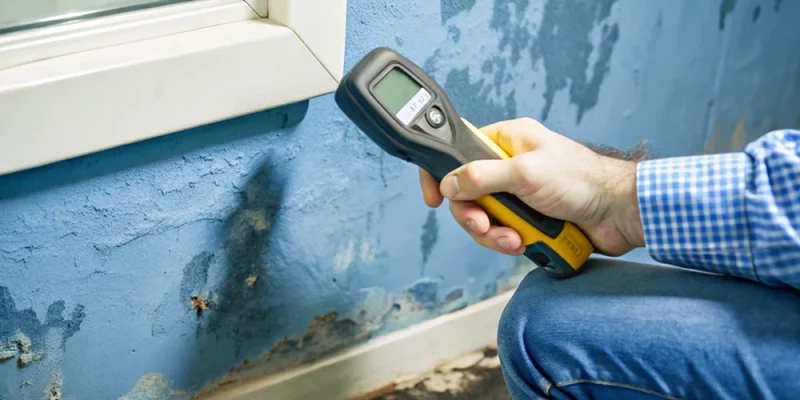
Essential Insights for a Healthy Home
- Mould growth commonly stems from trapped moisture and high humidity, often appearing in corners or behind furniture.
- Professional intervention is advisable when mould persists after cleaning or covers large areas.
- Non-toxic treatments provide an effective way to remove mould without introducing harsh chemicals into your living space.
- Consistent environmental control, such as improving ventilation and fixing leaks, is vital for long-term prevention.
Understanding the Hidden Threat in Your Home
You walk into your bedroom, and a faint, musty scent greets you. Perhaps you notice a strange discolouration forming on the ceiling or paint bubbling along the corner of a wall. If you have experienced this, you are not alone. Mould is a common issue, particularly in humid climates where moisture often stays trapped indoors. Whether it appears in bathrooms, kitchens, or storage areas, dealing with mouldy walls can be frustrating and overwhelming.
These fungal growths start from microscopic, airborne spores that settle on damp surfaces. Once they find a food source, like dust, wallpaper, or even paint, they begin to colonise. While small patches might seem like a simple cleaning task, ignoring the root cause often leads to recurring issues. Understanding why this happens and how to address it properly is the first step towards a healthier, more comfortable living environment.
Why Do My Walls Become Mouldy?
Mould thrives when three conditions align: moisture, a food source, and poor airflow. In many homes, the primary culprit is condensation. When warm, humid air comes into contact with cooler surfaces, such as an exterior wall or a window frame, it releases moisture. Over time, these tiny water droplets seep into the surface, creating an ideal breeding ground.
Daily habits also play a significant role. Indoor clothes drying, hot showers without proper exhaust ventilation, and leaving windows closed for extended periods all raise the humidity levels in a room. Air-conditioning can sometimes contribute to the issue as well; if a room is kept very cold, warmer air entering from outside creates condensation against the chilled walls. If your home has poor ventilation, that moisture has nowhere to go. It settles into corners, behind wardrobes, and under sofas, often remaining unnoticed until the musty smell or visible stains appear.
When Should I Consider Professional Mould Cleaning Services?
While minor surface spots might be manageable with a household cleaner, there are times when you need an expert. If you have cleaned an area repeatedly only for the mould to return, you likely have an underlying moisture issue. This could be a small pipe leak, seepage from a window, or even high humidity trapped behind wall panels.
Professional mould cleaning services are essential when the infestation is widespread or located on ceilings and hard-to-reach corners. Experts possess the tools to identify the source of the dampness, which is crucial for stopping the problem at the root. Furthermore, if you or your family members suffer from unexplained allergies, sneezing, or breathing discomfort, professional remediation ensures the removal of spores that DIY methods might miss. Engaging specialists early saves time and reduces the risk of the problem spreading to other parts of your home.
How Do Non-Toxic Treatments Keep My Home Safe?
The safety of your family is paramount when selecting a treatment. Many traditional cleaning agents rely on harsh chemicals that can affect indoor air quality. Modern remediation focuses on using non-toxic, botanical-based solutions that are effective against mould while remaining safe for children and pets.
The remediation process typically involves two distinct phases. First, the team removes all visible mould from the affected surfaces. Second, they apply a specialised antimicrobial misting treatment using an electrostatic sprayer. This creates an invisible, long-lasting shield that encapsulates and neutralises remaining spores, leaving your property in a stable, healthy state. By using approved, non-toxic products, you can eliminate the growth without leaving behind any harmful residues or strong chemical odours. This approach ensures your living space remains clean and healthy long after the cleaning crew leaves.
What Are The Best Ways To Prevent Recurring Mould Issues?
Cleaning is only half the battle. To ensure the mould stays away, you must focus on moisture management. You can adopt several simple habits to keep your walls dry and your home ventilated. To maintain a healthy environment, consider the following steps:
- Improve Airflow: Keep furniture a few centimetres away from walls to allow air to circulate behind cabinets and sofas.
- Use Exhaust Fans: Always run fans in bathrooms and kitchens during and after activities that generate steam.
- Monitor Humidity: If you notice condensation on windows or walls, wipe it dry immediately to prevent it from soaking into the paint.
- Manage Indoor Drying: Avoid drying laundry indoors unless the room is well-ventilated or you are using a dehumidifier.
- Check for Leaks: Regularly inspect ceilings, window frames, and air-conditioning trunking for signs of water seepage.
Reclaiming Your Living Space
Managing mould requires vigilance, but it does not have to be a constant struggle. By identifying moisture sources early and utilising professional mould cleaning services when necessary, you can protect your property and your health. Remember that effective prevention is about creating an environment where mould cannot take hold, ensuring your home remains a safe and comfortable sanctuary.
Reach out to us today to book an inspection and restore your home’s safety with Mouldgone.






Comments