
 By
By 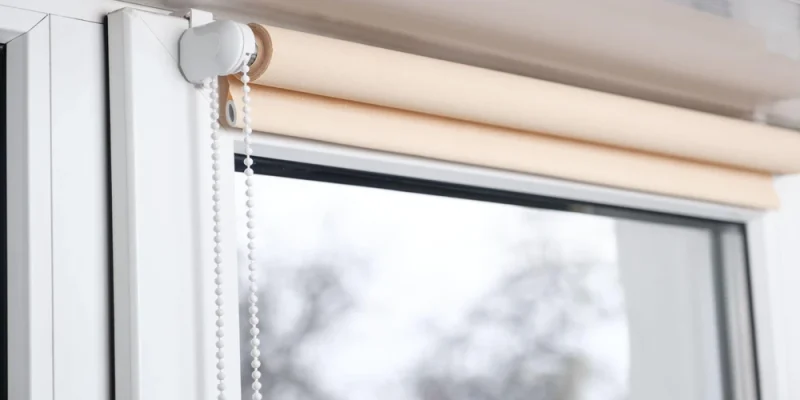
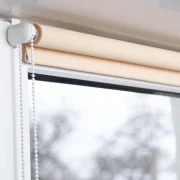
Image Recommendation: Close-up of roller blind fabric samples in a row, ranging from opaque to sheer, held up against a bright window.
Glare is the problem, so the darkest fabric must be the fix. That logic feels obvious enough that most people never question it, right up until the office goes from sun-glared to permanently dim, and the lights end up switching on at 10 am anyway. Blocking light entirely and managing it well turn out to be two genuinely different goals.
It’s an easy trap to fall into, since darker genuinely does mean less glare, right up until it also means considerably less usable daylight in the room.
The Openness Percentage Nobody Explains at the Point of Sale
Roller blind fabric is rated by openness, roughly how much light passes through the weave, and the right number depends entirely on what a space actually needs:
| Fabric Openness | What It Actually Does | Best Suited For |
| 0% (blackout) | Blocks light and view entirely | Meeting rooms, screens, AV spaces |
| 1-3% | Cuts glare and heat while keeping a soft outward view | Desks facing direct sun |
| 5-10% | Diffuses harsh light, view stays fairly clear | General office areas, moderate sun exposure |
Most office glare complaints are actually better solved somewhere in the middle of this range, not at the fully opaque end most people instinctively reach for.
Fabric samples rarely make this obvious either, since a swatch held up to a bright showroom window looks quite different from that same fabric installed against real afternoon sun months later.
Why Full Blackout Feels Like the Safe Choice
Opaque fabric is easy to reason about; no light gets through, so no glare gets through either. It’s an intuitive fix that solves the immediate problem completely. What it doesn’t account for is what happens to the room once that light is gone entirely: a workspace that now depends completely on artificial lighting for a task natural daylight was previously handling well enough on its own.
What a Properly Specified Office Shade Actually Balances
Good office window shades manage glare and heat without eliminating the light itself, keeping a workspace comfortable without quietly turning it into a room that never sees daylight.
This balance matters more than it sounds, since daylight exposure genuinely affects mood and alertness over the course of a working day, not just visual comfort in the moment.
It’s also worth remembering that different windows in the same office can genuinely need different fabric choices; a west-facing wall dealing with intense afternoon sun rarely needs the same treatment as a shaded corner that barely sees direct light at all. Treating every window in a building identically is often where the imbalance actually starts.
Getting the Fabric Choice Right From the Start
Choosing between openness levels usually comes down to desk orientation, how much direct sun a window actually gets, and whether screens are involved. Well-specified roller blinds in Singapore account for these specifics rather than defaulting everyone to the same fabric regardless of how different one window’s sun exposure is from another’s.
The Fluorescent Lights Nobody Connects to the Blinds
An office that’s gone fully opaque tends to compensate with more electric lighting almost immediately, and few people connect that shift back to the blinds installed months earlier. The correlation is genuinely there, a space with less usable daylight needs more artificial light to feel adequately lit, it’s just rarely the first thing anyone thinks to trace back.
The added electricity cost is a real, if modest, side effect too, one that rarely gets attributed to a fabric choice made months or years earlier.
The right roller blind fabric isn’t the one that blocks the most light; it’s the one that solves the actual glare problem without creating a new one in its place. That distinction is easy to miss on a swatch card and considerably harder to miss once the lights are on all day for no obvious reason.
A slightly more open fabric, chosen deliberately rather than defaulted to the darkest option, tends to solve more of the actual problem than most people expect.
Not sure which openness percentage actually fits your space? Contact De Art Curtain and get a recommendation matched to your windows, not a guess.




Comments