
 By
By 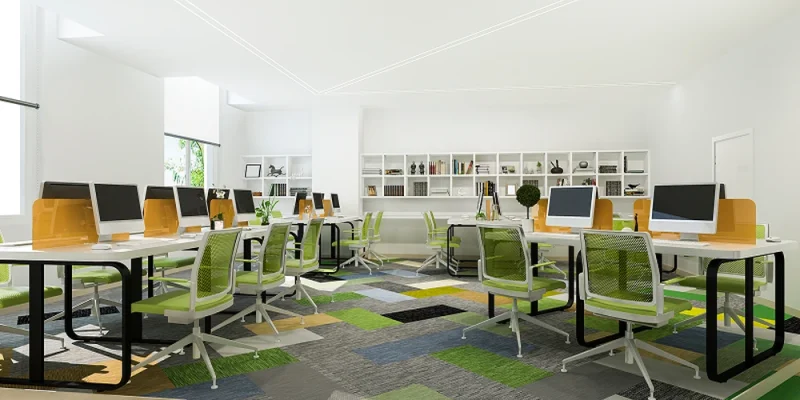
Workspaces can vary significantly in layout, task requirements and user needs. Choosing an ergonomic seating solution therefore requires more thought than selecting one chair type for every area. Businesses reviewing ergonomic supplies should consider how seating works within individual desks, shared work areas and other workplace settings.
Five decisions can help create a more suitable approach to seating.
1. Identify the Main Workspace Type
Start by identifying how each area will be used. A workstation for focused computer work has different requirements from a meeting room or collaborative space.
Task duration also matters. Users spending several hours at a desk may need greater adjustability than people using a chair for short meetings. For example, high-focus roles like software development or accounting often require continuous posture support, dynamic recline mechanisms, and precise armrest padding to prevent repetitive strain injuries during extended shifts.
The workspace purpose should guide the seating decision from the beginning.
2. Assess User Requirements
Different users may need different adjustment ranges. Height, working habits and task requirements can influence how a chair should be configured.
For shared workstations, adjustability becomes particularly useful because the same chair may need to accommodate several users. Incorporating intuitive adjustment controls, clear instructional indicators, or auto-weight sensing mechanisms ensures that employees of varying heights and body types can easily tailor the chair to their body without complex setup procedures.
Businesses should also consider how employees interact with the desk, monitor and other equipment. Seating works as part of the complete workstation.
3. Review Adjustability
Look at seat height, backrest movement, lumbar support and armrest options. The number of adjustment features matters less than how effectively they support the user. These are the things you should consider when choosing a product.
A chair with useful adjustment can accommodate changes in posture and workstation configuration. It can also make shared workspaces easier to manage. Key benefits include enhanced blood circulation, reduced spinal pressure, and reduced fatigue, which together contribute directly to higher daily productivity and comfort.
Consider which controls users will realistically understand and use.
4. Coordinate Seating With the Desk
The chair should fit the desk height, monitor position and available legroom. Poor coordination can reduce the value of an ergonomic seating solution.
For height-adjustable desks, review how the chair and desk work together at different working heights. For fixed desks, confirm that the chair provides enough adjustment to create a suitable seated position.
Actionable advice: Ensure that armrests can align level with or slightly below the desk surface, allowing users to keep their shoulders relaxed and elbows bent at a comfortable 90-degree angle without crowding the desk edge.
5. Plan Seating as Part of Ergonomic Supplies
Seating should sit within a wider workplace strategy. Other ergonomic supplies can include monitor supports, keyboard accessories, laptop stands and footrests.
The goal is to create a workstation where the equipment supports the user’s tasks without unnecessary complexity. Review the workspace as a complete system rather than selecting individual items in isolation. By pairing properly configured seating with complementary ergonomic accessories, such as anti-fatigue mats, document holders, and adjustable monitor arms, businesses build an integrated environment that fosters long-term health and well-being.
Suitability Table
| Workspace | Seating Priority | Supporting Consideration |
| Individual desk | Adjustability | Desk and monitor position |
| Shared workstation | Flexible settings | Multiple users |
| Meeting room | Mobility and comfort | Meeting duration |
| Collaborative area | Movement | Frequent interaction |
| Home workspace | Fit and simplicity | Available room |
Planning seating around actual workspace requirements can help businesses use ergonomic supplies more effectively. The selection should reflect the people, tasks and furniture within each area.
Contact Ergoworks to discuss an ergonomic seating solution for different workspaces and workplace requirements.









Comments