
 By
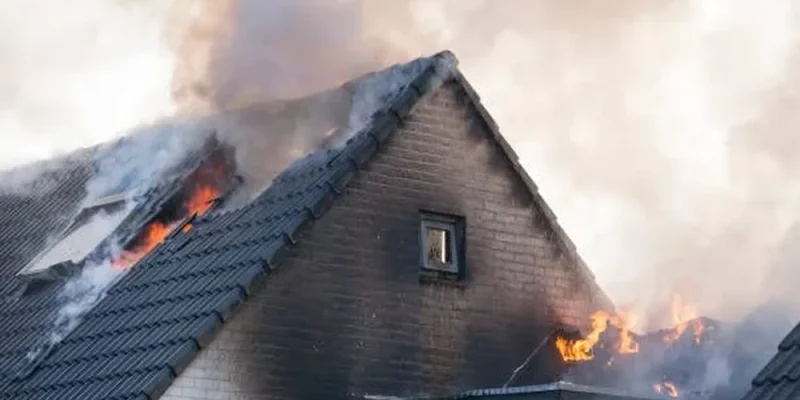
The fire in the kitchen lasted maybe eleven minutes. A pan of oil, a cabinet above it, a ceiling that blackened before anyone reached the extinguisher. Firefighters knocked it down fast and left behind a house that looked worse in some ways than the flames had made it. Water stood in the grout lines of the hallway tile. The carpet in the next room squished underfoot. The drywall below the kitchen window had turned soft and gray.
That scene plays out across Southern California far more often than people expect, and it explains why the companies that clean up after fires so often clean up after floods too. Homeowners in Redlands and the wider Inland Empire have relied on Padgett’s Fire & Flood Restoration since 1970, a family business whose name says something true about how disasters behave. Fire and water rarely arrive separately. One usually brings the other along, sometimes within minutes and sometimes a full season later.
Hundreds of Gallons to Save One Room
A standard attack hose line on a fire engine can move roughly 150 gallons a minute. Even a short, well managed knockdown can put hundreds of gallons into a home, and much of it does not stay where it landed. Water runs downhill and sideways. It wicks up drywall from the bottom edge, soaks into the paper facing, slips under baseboards and settles into the padding beneath carpet. In a two-story home it reaches the ceiling below.
Insulation is the hidden sponge. Fiberglass batts in exterior walls and attic floors hold water against the framing for days, and blown cellulose can collapse into a wet, heavy mat. None of that is visible from the room where the fire happened, which is why a careful crew checks the entire house with moisture meters and thermal cameras.
Soot Turns to Paste When It Gets Wet
Wet soot is far harder to handle than dry soot. Dry soot from a fast, hot fire can often be vacuumed or lifted with dry chemical sponges. Once it gets wet, it smears into surfaces and drives deeper into porous materials like unsealed wood, grout and fabric.
Soot is also acidic. On chrome fixtures, appliance panels, electronics and even the metal contacts inside outlets, it begins to etch and corrode within days. Protein fires from burned food leave a nearly invisible film with a stubborn odor that clings to damp textiles. The smell people notice weeks after a fire often comes from materials that got wet and were never properly dried, not from the fire itself.
The Two Days That Decide Everything
Mold needs moisture, a food source and time, and a freshly soaked house supplies all three. Growth on drywall paper, framing and carpet backing can begin within 24 to 48 hours. Inland Empire homes face an added twist. After a fire, utilities are often shut off for safety, so the air conditioning stops running. A closed house in late summer, full of wet materials, quickly becomes a warm and humid box.
That is why drying is not something to schedule for next week. Professional drying usually starts with extracting standing water, then setting up air movers to push moisture out of surfaces and dehumidifiers to pull it out of the air. Crews take daily readings until materials return to normal. Water used to fight a fire also carries soot, ash and debris, so it is generally treated as contaminated rather than clean.
Putting the House Back in the Right Order
Recovery tends to go well when the work happens in a sensible sequence. A reliable order looks something like this.
- Secure the structure by boarding windows and tarping roof openings.
- Remove standing water and saturated materials like soaked padding and collapsed insulation.
- Dry the remaining structure completely and confirm it with moisture readings.
- Clean soot from surfaces, working from the ceiling down, and clean the HVAC system so it does not spread residue to untouched rooms.
- Address odor with methods like thermal fogging or hydroxyl treatment once the source materials are clean or gone.
- Rebuild everything from drywall and flooring to cabinets and paint.
Skipping ahead is the most common mistake. Painting a damp wall or flooring over a wet subfloor seals moisture and smell inside new finishes.
When the Hills Burn and the Rain Comes Later
The second way fire leads to flooding has nothing to do with hoses. When wildfire burns the slopes above a neighborhood, it strips away the plants and roots that hold soil in place and can leave the ground surface repelling water. The next heavy storm sheets off those hillsides instead of soaking in, gathering ash, mud and rocks.
Communities along the foothills know this pattern well. After the 2020 El Dorado and Apple fires, storms sent mud and debris across driveways and roads in Oak Glen, and flash flood warnings reached Redlands, Yucaipa and Highland. The 2024 Line Fire led to evacuation warnings for parts of Highland during later rains. Because burned ground can no longer absorb rain, Utah State University Extension warns that homes downstream of a burn scar can face flooding they never dealt with before, and that the heightened debris flow hazard lasts roughly three to five years. Clearing gutters and drainage paths and placing sandbags to redirect water are among the steps it suggests before storms arrive.
For homeowners, this means a house that came through fire season untouched can still suffer water damage from that same fire months later. Mud in a garage or crawlspace carries organic debris, making cleanup closer to a sewage job than a burst pipe.
One Disaster Can Mean Two Kinds of Paperwork
Insurance usually follows the cause of the damage rather than its appearance, and that matters here. Water damage from firefighting is generally handled as part of the fire loss under a standard homeowners policy. Smoke damage drifting in from a nearby wildfire is usually covered too.
Flooding and mudflow are a different matter. Most standard homeowners policies exclude flood, and protection against mudflow typically requires a separate flood policy, such as one through the National Flood Insurance Program. Those policies usually come with a waiting period of around 30 days, so anyone living below a fresh burn scar should arrange coverage well before the first winter storm. Photos of every room before cleanup and copies of moisture readings strengthen any claim.
Treating the House as One System
The homeowners who recover most smoothly tend to stop thinking about a fire or a flood as a single event. Damage travels through a house’s framing, cavities and ducts. Water from a kitchen fire ends up in the subfloor. Soot rides the return air duct into bedrooms. Ash from a hillside burn arrives as mud against a back wall the following January.
Seeing the whole chain early makes every decision clearer. Fire may be the dramatic part of the story, but in Southern California it is often water that writes the final chapter.








Comments