
 By
By 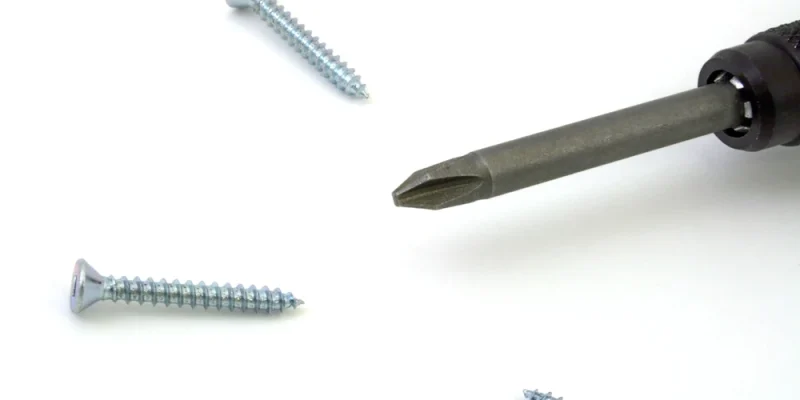
Most people planning a home addition worry about the wrong things first. They pick out siding samples and argue over window placement while the part of the project that actually keeps the new space standing gets treated as an afterthought. Ask any contractor who’s had to fix a sagging deck or a porch roof that started pulling away from the house, and they’ll tell you the same thing: it seldom comes down to bad lumber. It comes down to bad connections.
Where Additions Actually Fail
When a builder adds a room, a porch, or a second-story extension, the new framing has to tie into the existing structure at specific load points. Ledger boards, beam-to-post joints, and rim board connections carry enormous stress, especially when wind, snow load, or seasonal wood movement enter the picture. Standard nails or general-purpose screws can hold things together visually for years and still fail catastrophically when they’re finally tested by a storm. For connections that carry real structural weight, structural lag screws are the fastener most engineers actually spec, because their coarse threading and shank diameter resist withdrawal in ways a common screw simply can’t match.
What Homeowners Get Wrong About “Upgrading”
A lot of homeowners assume that upgrading framing means buying thicker lumber. That helps, but it’s only half the equation. A 2×10 beam fastened with the wrong hardware is still a weak point. Building professionals increasingly point to fastener selection as the cheapest, highest-impact upgrade available during an addition, since the material cost difference between a basic screw and a rated structural one is tiny compared to labor, yet the performance gap is significant.
The Ledger Board Problem
If there’s one connection worth obsessing over, it’s the ledger board attaching a deck or porch to the main house. This single joint has been responsible for a disproportionate number of structural failures over the past two decades, often because builders relied on nails or lag bolts that weren’t rated for the loads involved. Suppliers like Star Fasteners Plus have seen demand shift noticeably toward heavier-gauge lag screws for exactly this reason, as more contractors treat ledger attachment as a code compliance issue rather than a cosmetic one.
Framing Connections That Deserve a Second Look
A few spots consistently get overlooked during additions:
- Beam-to-post connections, where lateral movement can loosen standard fasteners over time
- Stair stringer attachments, which take repeated dynamic load
- Roof-to-wall tie points on new porch or sunroom additions
None of these require exotic materials. They require the right fastener, sized and rated for the specific load path, installed correctly the first time.
A Note on Getting the Engineering Right
For homeowners working with a contractor rather than an engineer, it’s worth asking directly which connections were designed to code and which were built by habit. The Engineered Wood Association publishes detailed guidance on wood connection design, including fastener selection for structural applications, and it’s a useful reference if you want to understand why a particular screw type was chosen over another.
The Bottom Line
An addition is only as strong as its weakest connection. Spending a little more time selecting the right hardware, and a little less time on finishes nobody will notice in five years, is the upgrade that actually protects the investment. Companies like Star Fasteners Plus have built their catalog around exactly this need, supplying the kind of rated fasteners that make the difference between a connection that holds and one that eventually doesn’t.






Comments