
 By
By 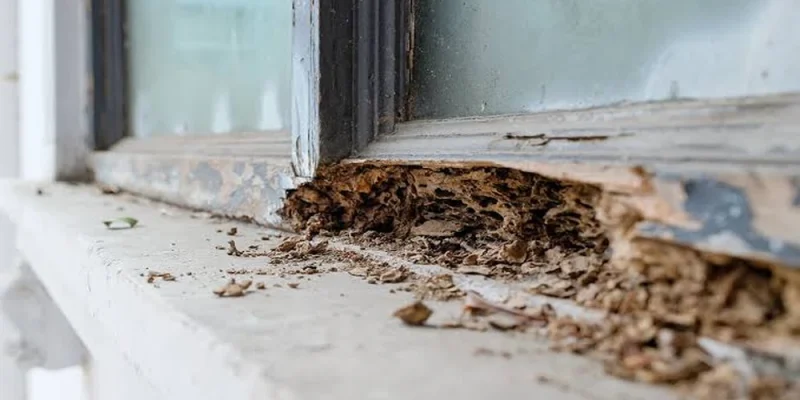
Termite activity inside a house can remain hidden until small changes begin appearing in the wood and finishes. The first clues inside a house can be easy to overlook because they may resemble ordinary wear, moisture damage, or settling. For those searching for termite control Clermont, recognizing these small changes can help identify areas that deserve a closer inspection.
Clermont has both subterranean and drywood termites, and they leave different clues inside a house. Knowing these signs can help a homeowner decide when an indoor change needs a closer inspection.
Doors and Windows That Start to Stick
A door or window that suddenly sticks can have several causes, including moisture or normal movement in the building. Damage inside the frame may cause a door or window to rub, stick, or stop operating as it normally does. Check the surrounding wood for soft areas, cracks, discarded wings, or other changes that could point to termite activity. A sticking door by itself does not identify the cause, but additional wood damage makes the area more deserving of inspection.
Paint and Wood Surfaces That Look Different
Termite activity can also leave changes on painted or finished wood. Look for bubbling, blistering, peeling, or areas that appear uneven over damaged wood. A soft spot in a baseboard, door frame, or other wooden surface deserves closer inspection, especially if it occurs with other signs of termite activity.
Indoor Areas Where Termite Signs Can Hide
Some termite evidence appears in areas homeowners rarely inspect. Several parts of the house can reveal clues that deserve a closer look:
- Closet corners and areas behind large furniture, especially where the lower wall or baseboard is difficult to inspect.
- Under kitchen and bathroom sinks, where leaks or damp wood can go unnoticed.
- The garage, especially where the slab edge and the framing are exposed.
- Window sills and the floor beneath them, where drywood pellets collect in small piles.
- The attic, where framing, fascia, and stored wood can show damage.
These locations are useful because termite evidence can appear away from the parts of a house that receive regular attention. Furniture can cover baseboards, stored items can block framing, and plumbing fixtures can conceal damp wood. Moving items aside during routine cleaning or checking can expose changes that would otherwise remain unnoticed.
UF/IFAS describes drywood pellets as six-sided and similar to fine sawdust or coffee grounds. The termites push these pellets through small kick-out holes, which are about one to two millimeters in diameter. A recurring pile is a useful clue to inspect the wood above or around it for drywood termite activity.
Indoor Clues From Different Termite Types
Subterranean termites often leave evidence of their route from the soil into the structure, including mud tubes along foundations or other areas where they can reach wood above ground. Drywood termites live within the wood itself and can leave pellet piles beneath infested areas. Finding wings after a swarm can also signal termite activity, although the wings alone do not identify where the colony is located. Identifying the type of evidence can help narrow down where to inspect next.
Hollow-Sounding Wood and Soft or Sagging Floors
Termites can consume the material beneath a wood surface while leaving the outer layer looking undisturbed. Tapping a baseboard, door frame, or other wooden component may reveal a change in sound, but that clue needs to be considered alongside visible damage or other evidence. Floors that sag, buckle, or feel soft also have several possible causes, so those changes should be inspected before being attributed to termites.
Termite Signs That Look Like Normal Wear
Most of these clues are subtle and easy to explain away. A sticking door seems like weather. A little paint bubbling seems like age. A few pellets look like sawdust or dirt. When a sign keeps returning or appears alongside other changes in the wood, it deserves a closer inspection.
Check the Area Before Making Repairs
When you spot an unusual change, leave the area untouched until you can document what you found. Take a photo, note its location, and check whether similar evidence appears nearby. Avoid filling holes, repainting damaged wood, or cleaning away pellet piles before an inspection, since those changes can remove clues about the source. Saela Pest Control can examine the affected areas, identify the termite involved, and trace the activity to determine the extent of the problem and the treatment needed.







Comments