
 By
By 
Key Takeaways
- The best garage door fits the home’s climate, structure, budget, and daily use.
- Material, insulation, wind resistance, and installation quality all affect long-term performance.
- Safety features and routine maintenance matter as much as appearance.
- Comparing the complete door system helps homeowners avoid decisions based only on panel price.
A garage door is one of the largest moving parts of a home, so choosing one involves more than picking a color or window pattern. Homeowners comparing garage doors should consider how the door will handle daily use, changing weather conditions, storage needs, and the layout of the garage itself.
The right choice can improve comfort, protect belongings, support curb appeal, and reduce avoidable repair issues. A door that looks good but does not suit the opening, local conditions, or opener system may become noisy, inefficient, or difficult to operate.
Start With the Garage
Before comparing decorative features, assess how the space works. A garage used for two vehicles has different needs than one used for tools, bikes, sports equipment, or a home workshop. Also note whether it connects to bedrooms or living areas, since heat, noise, and air leakage may affect nearby rooms.
Measure the opening, side clearance, headroom, and ceiling space for tracks and an opener. Look for existing problems such as rust, cracked panels, bent tracks, water marks, or uneven movement. Repeated breakdowns, severe panel damage, poor balance, or outdated safety equipment may indicate that a full replacement is warranted rather than another isolated repair.
Match the Door to the Climate
Weather should shape the selection of panels, seals, hardware, and finishes. In hot climates, lighter finishes and effective seals can help reduce solar heat gain and dust accumulation. Wet conditions call for corrosion-resistant hardware, dependable bottom seals, and attention to drainage. Cold regions often benefit from insulated panels and tight perimeter sealing.
When comfort is a priority, insulation is worth considering alongside the door itself, especially for garages below bedrooms, beside living areas, or used as hobby spaces. The door is only one part of the enclosure; walls, ceilings, windows, and gaps around openings also influence indoor conditions.
Compare Door Materials
No garage door material is ideal for every home. Construction quality, finish, maintenance, climate, and frequency of use all influence service life.
- Steel: Strong, broadly available, and offered in many panel styles. It can dent, and damaged coatings may create an opportunity for rust to form.
- Aluminum: Lightweight and often used for clean, contemporary designs. It resists corrosion well but may dent more easily than heavier doors.
- Wood: Provides a traditional appearance and custom design flexibility. It usually needs more ongoing care to manage moisture and finish wear.
- Composite: Can provide a wood-like look with lower maintenance needs. Product quality and realism vary, so compare samples closely.
Check Insulation and Comfort
An insulated door can reduce heat transfer and make the garage more comfortable, but its stated R-value does not describe the performance of the entire home. Seals, framing, attic insulation, air leaks, and the condition of adjacent rooms all matter. Added door weight should also be matched with suitable springs and an opener designed for the completed system.
Review Wind and Impact Ratings
In storm-prone areas, look beyond broad claims that a door is “storm-ready.” Check for product approval information, permanent labels, positive and negative design-pressure ratings, and requirements for the exact opening size. The tracks, fasteners, bracing, and attachment method may all be part of the approved assembly.
Florida’s hurricane season runs from June 1 through November 30, and homeowners can review wind mitigation resources when considering inspections, documentation, and possible insurance-related factors. A garage door is a large building opening, so its ability to remain secured during high winds can be especially important.
Windows in a garage door may require separate consideration. The state’s guidance for protecting openings explains why wind pressure, windborne debris, and secure installation all matter during severe weather.
Choose the Right Style
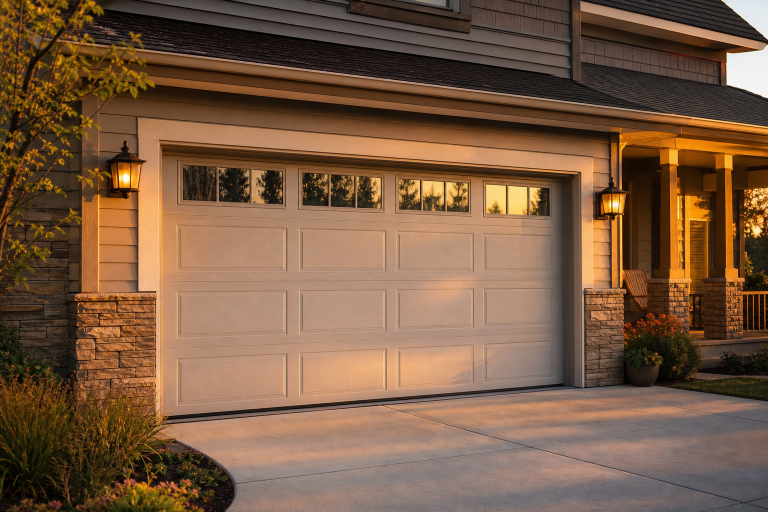
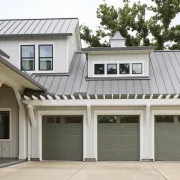
Appearance still matters, but it should complement the architecture rather than compete with it. Raised panels often suit traditional homes; flush panels offer a simple look; carriage-house designs add detail; and full-view doors bring in daylight. Consider privacy, glare, heat gain, cleaning needs, and visibility into the garage before selecting windows.
Select a Safe Opener
Choose an opener that matches the door’s size and weight. Chain-drive models are durable but may be louder, while belt-drive systems are often quieter. Automatic reverse protection, properly aligned photo-eye sensors, a manual release, and battery backup during outages are practical safety features. Smart controls can offer alerts and remote access, but strong passwords and regular physical safety checks remain essential.
Plan the Installation
Installation quality affects performance, safety, and sometimes warranty coverage. The framing should be sound, the tracks must be correctly aligned, and the spring system must properly balance the door. After installation, test the door’s movement, auto-reverse function, sensors, seals, and manual release. Never assume a strong panel alone provides storm protection if the supporting hardware does not match its approved design.
Build a Maintenance Plan
Several times each year, watch the door through a full opening-and-closing cycle. Listen for scraping or shaking, inspect the rollers and hinges, clear debris from the tracks, and check the seals for cracking. Follow the manufacturer’s instructions for lubricating approved moving parts. Do not adjust torsion springs or cable hardware without proper training, since these components store substantial energy.
Make the Final Choice
Compare each option based on weather resistance, wind protection, insulation, appearance, noise, maintenance demands, opener compatibility, and total installed cost. The lowest panel price may not account for tracks, springs, reinforcement, seals, disposal, or opener changes. A well-matched garage door should provide dependable daily operation while supporting the home’s comfort, safety, and long-term needs.






Comments