
 By
By 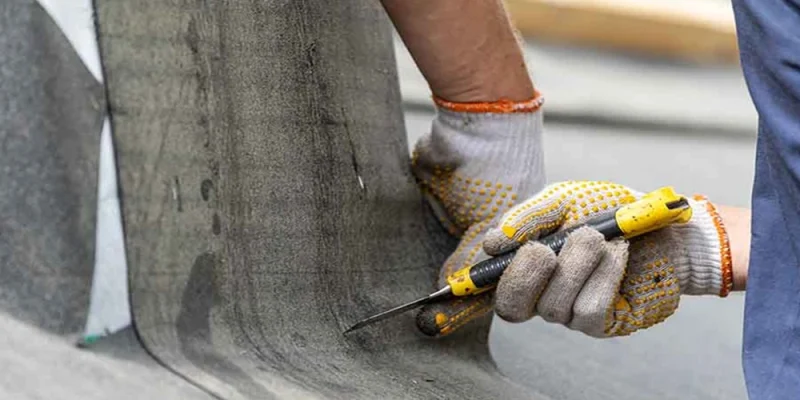
Water finds every gap in a building envelope eventually, and Singapore’s climate gives it plenty of chances to try. Between the intense afternoon downpours, the humidity that barely drops overnight, and the constant heat that stresses roofing membranes and sealants, homeowners here deal with a level of moisture exposure that few other cities face. Picking a contractor to fix a leak or waterproof a bathroom is not a decision most people get to rehearse; it usually comes up once, when a ceiling stain appears or a floor trap starts backing up, and the choice has to be right the first time.
A Track Record Shaped by Local Conditions
A waterproofing contractor that has spent years working across Singapore’s housing stock develops instincts a newcomer has not had time to build. The failure patterns in a decades-old HDB bathroom differ from those in a newer condominium unit with a sunken slab, and both differ again from the box gutters and parapet walls typical of landed houses in the eastern and northern parts of the island. Recognising these differences quickly, rather than applying one fix to every job, is what separates a seasoned outfit from a general handyman service that happens to also sell sealant.
Working Across HDB, Condo, and Landed Properties
Few waterproofing problems look identical twice, and a contractor’s range shows in how comfortably it moves between property types. HDB upgrading works often involve tight common corridors, coordination around town council schedules, and materials that need to cure within short access windows. Condominium jobs bring management corporation approvals, restricted lift access, and shared responsibility for external walls or roof decks that span multiple units. Landed home owners usually want direct answers about what is happening above their own ceiling and how long a repair will hold through the next rainy season. Handling all three property types well, on the same week if needed, takes more than a single narrow specialism.
Diagnosis Before Any Repair Begins
A stain on a ceiling is rarely directly below its actual source, which is why guessing at the cause wastes both time and money. Water travels along beams, follows the fall of a slab, and pools at the lowest point of a roof structure before it ever shows itself indoors. A contractor experienced enough to trace that path back to its origin, rather than simply patching the visible mark, saves the homeowner from paying for the same repair twice within a single year.
Matching the Method to the Surface
Not every waterproofing job calls for the same material, and a contractor’s judgment matters as much as its labour force. Cementitious coatings suit internal wet areas where flexibility is less critical, liquid-applied membranes handle irregular surfaces such as parapets and pipe penetrations, and torch-on membranes remain a common choice for flat roof decks that see standing water after storms. Homeowners who want a fuller picture of how these methods get selected and applied can look at Proseal’s overview of its waterproofing services, which sets out how the company approaches different substrates and defect types before recommending a course of action.
Workmanship That Holds Up After the Van Leaves
The real test of any waterproofing job arrives months later, once the next heavy monsoon storm has had a chance to find any weakness in the work. Surface preparation, primer application, curing time, and the detailing around joints and penetrations all affect whether a membrane lasts five years or fifteen. A contractor with a reputation to protect tends to spend more time on these unglamorous steps rather than rushing ahead to the next job on the schedule.
Communication That Does Not Disappear After Payment
A surprising share of complaints about waterproofing contractors in Singapore have nothing to do with the membrane itself and everything to do with what happens if the leak returns. Homeowners want a contractor who answers the phone after the invoice is settled, who stands behind a workmanship warranty in practice and not just on paper, and who will come back to check a repair rather than treating every job as a one-off transaction. That kind of accountability is harder to fake than a glossy brochure, and it tends to show up clearly in how a company handles its returning customers.
Vague quotations are one of the more common sources of friction between homeowners and renovation or repair contractors in Singapore, and waterproofing is no exception. A quotation that simply says “waterproof toilet” leaves too much room for disagreement later about whether hacking, re-screeding, or upstand height was included. A contractor worth trusting walks through the affected area first, explains what the assessment found, and sets out which surfaces are being treated and with what system before any deposit changes hands. That upfront clarity tends to prevent the awkward conversations that happen when a job is already half finished.
Why Reputation Still Matters in This Trade
Waterproofing is one of those trades where a homeowner cannot easily judge quality at the point of purchase, since the work disappears under tiles, screed, or roofing sheets within days of completion. That gap between what is visible and what actually determines success is exactly why word of mouth, repeat engagements, and a visible history of handling difficult cases carry so much weight. A company that keeps getting called back, whether for a straightforward toilet re-waterproofing job or a stubborn recurring roof leak, has usually earned that trust the slow way, one project at a time.





Comments