
 By
By 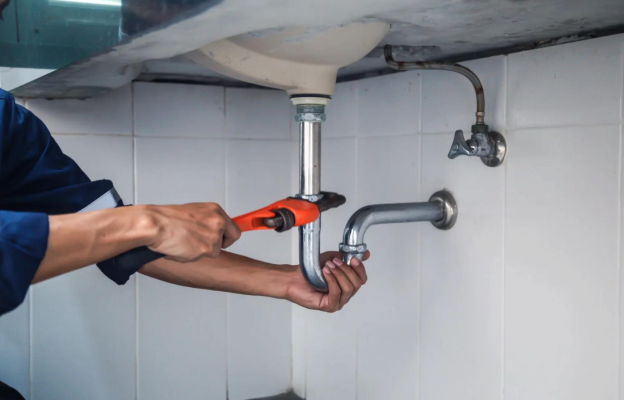
Clogged drains rarely start as emergencies. They build slowly—hair, grease, soap, and debris collecting day after day. At first, it’s just a slow sink or a faint smell. Then suddenly, water stops draining altogether. What many homeowners don’t realize is that regular drain cleaning can prevent these issues entirely and keep the entire plumbing system running smoothly.
A well-maintained drainage system is not just about convenience. It protects your home from damage, saves money on repairs, and improves overall hygiene. Let’s explore why routine drain cleaning matters and how it keeps your plumbing healthy in the long run.
Why Drains Get Clogged Over Time
Everyday activities contribute to a gradual buildup in your pipes. Kitchen sinks collect grease and food particles. Bathroom drains trap hair, soap residue, and dirt. Even laundry systems accumulate lint and detergent deposits.
Over time, these materials stick to pipe walls and restrict water flow. Without regular cleaning, this buildup hardens, leading to stubborn blockages. In some cases, it can even cause pipe corrosion or cracks.
The key point is simple: clogs are not sudden—they are the result of long-term neglect.
Professional Cleaning vs DIY Methods
Many homeowners rely on quick DIY fixes like chemical cleaners or boiling water. While these methods may offer temporary relief, they often fail to address the root problem.
Chemical cleaners, in particular, can damage pipes over time. They may clear part of the blockage but leave residue behind, leading to recurring issues.
Professional services use advanced tools such as drain snakes and hydro jetting. These methods clean pipes thoroughly without causing damage.
If you are dealing with recurring clogs or slow drainage, choosing expert help like drain cleaning in Roy, UT, ensures a deeper and more effective solution.
The Hidden Risks of Ignoring Drain Maintenance
Ignoring your drains can lead to more than just inconvenience. It can cause serious plumbing and health issues.
Slow drainage often turns into complete blockages. Water backups can damage floors, cabinets, and walls. In severe cases, pipes may burst due to pressure buildup.
There is also a hygiene concern. Stagnant water and trapped debris create the perfect environment for bacteria and unpleasant odors. This can affect indoor air quality and overall cleanliness.
Regular maintenance helps you avoid these risks before they escalate.
How Regular Drain Cleaning Helps
Routine drain cleaning works as preventive care for your plumbing system. It keeps everything flowing efficiently and reduces the chances of unexpected breakdowns.
1. Improves Water Flow
Clean pipes allow water to move freely. This prevents slow drains and reduces strain on your plumbing system.
2. Extends Pipe Lifespan
Removing buildup prevents corrosion and reduces pressure inside pipes. This helps your plumbing last longer without costly replacements.
3. Eliminates Unpleasant Odors
Trapped debris often causes foul smells. Regular cleaning removes the source and keeps your home fresh.
4. Prevents Major Repairs
Small maintenance steps today can prevent expensive emergencies later. It is far more cost-effective to clean drains than to repair damaged pipes.
Signs Your Drains Need Immediate Attention
It is important to recognize early warning signs before a minor issue becomes serious.
● Water is draining more slowly than usual
● Gurgling sounds from pipes
● Unpleasant smells from sinks or drains
● Frequent clogs in the same area
● Water is backing up unexpectedly
If you notice any of these signs, it is time to act. Early intervention can prevent larger problems.
How Often Should You Clean Your Drains?
The ideal frequency depends on your household usage. However, a general guideline works for most homes.
For standard households, professional drain cleaning once a year is usually sufficient. Homes with heavy usage, large families, or older plumbing systems may benefit from more frequent cleaning.
Regular inspections also help identify potential issues early, ensuring your plumbing system stays in good condition.
Simple Habits to Keep Drains Clean
While professional cleaning is essential, daily habits also play a role in maintaining healthy drains.
Avoid pouring grease or oil down the sink. Use drain strainers to catch hair and debris. Flush drains occasionally with hot water to prevent buildup. Be mindful of what goes into your plumbing system.
These small steps, combined with regular cleaning, can make a significant difference.
Long-Term Benefits for Your Home
A healthy plumbing system contributes to a healthier home overall. Clean drains reduce the risk of water damage, improve hygiene, and enhance comfort.
It also adds value to your property. Well-maintained plumbing systems are a strong selling point for potential buyers and reduce the likelihood of inspection issues.
In short, drain maintenance is not just a repair task—it is an investment in your home.
Conclusion
Regular drain cleaning is one of the simplest yet most effective ways to protect your plumbing system. It prevents clogs, extends pipe life, and reduces the risk of costly repairs. More importantly, it ensures your home remains clean, safe, and comfortable. Ignoring your drains may seem harmless at first, but small issues can quickly grow into major problems. Taking a proactive approach saves time, money, and stress in the long run. If you want a plumbing system that works efficiently year-round, regular maintenance is not optional—it is essential.





Comments