
 By
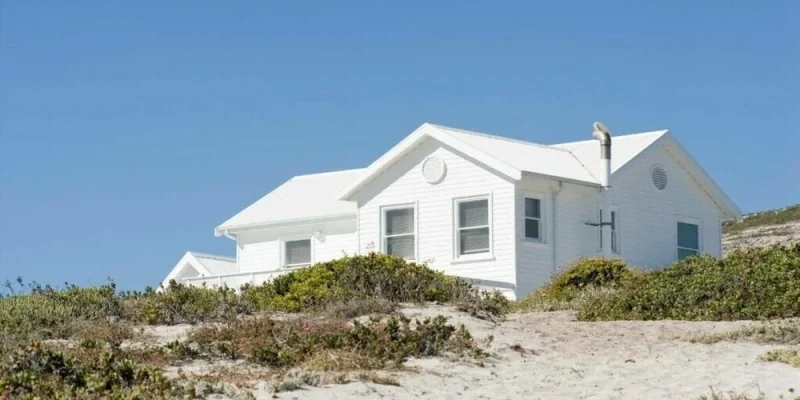
A roof a few blocks from the ocean has a harder life than the same roof fifty miles inland. The shingles may come from the same factory and carry the same warranty. The shore roof, though, deals with salt spray, wind that rarely settles, sand carried on every gust and humidity that hangs around well into the night. Many homeowners only notice the difference when a repair bill shows up years earlier than they expected.
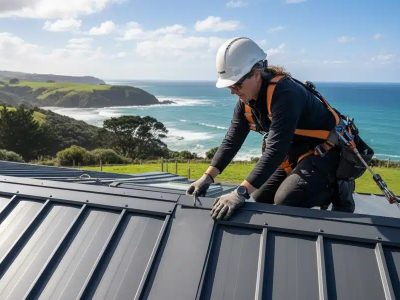
Contractors who work along the coast see this all the time, and local outfits such as Ocean View Roofing and Renovations handle roofs, siding and exterior work in beach towns where the weather matters all year, not just in one season. For anyone who owns a home near the water, the takeaway is simple. A coastal roof needs its own maintenance schedule, and the usual advice written for suburban houses misses the details that count most at the shore.
Building scientists have studied this closely. FEMA’s Home Builder’s Guide to Coastal Construction has separate fact sheets on roof underlayment and on installing asphalt shingles in high wind regions. That alone shows how differently a roof behaves once the ocean is involved.
What Salt Actually Does Up There
Salt tends to hurt the hardware around the shingles before it hurts the shingles. Salt crystals pull moisture out of the air, so any surface coated in them stays damp longer than it should. On asphalt, that mostly means a bit more algae. On metal, it means corrosion.
The metal parts of a roof are easy to forget: nails, drip edge, step flashing along walls, chimney flashing, vent pipe collars and the hangers holding up the gutters. As the protective coating on standard galvanized steel wears off in salty air, rust starts working into the joints. A shingle can look perfect while the flashing under it is slowly turning to flakes.
That’s why coastal roofers often recommend stainless steel or heavily coated fasteners and flashing. It costs more at installation, but it heads off the most common slow failure on shore homes, which is a leak that starts at a corroded metal joint instead of at a damaged shingle.
Wind Works on the Edges First
Wind doesn’t load a roof evenly. Uplift is strongest at the corners, along the eaves, at the rake edges on the gable ends and along the ridge. Shingles in those zones flex more with each gust, and on a breezy coast that flexing hardly ever stops.
Sealant strips need time. Asphalt shingles bond to each other through adhesive strips that the sun activates. A roof put on late in the fall may not fully seal until warmer days come back. Until then, the tabs can lift in a strong wind.
Storm season is long. The Mid-Atlantic coast gets nor’easters from early fall into spring, and they can blow from one direction for days. Unlike a quick summer thunderstorm, they work the same weak spots over and over.
Installation details make the difference. More nails per shingle, starter strips run along the rake edges, and sealant added by hand at the perimeter all help a roof stay together through that kind of steady pressure.
The Problem With Empty Houses
Many shore homes sit empty for long periods. Some are vacation properties used a few weeks a year. Others are rentals that change hands every Saturday in summer and then stay closed from October to May.
An empty house can’t report its own leaks. A small drip that would be caught in a week in a full time home can run all winter, soaking insulation and staining the sheathing before anyone opens the door. Rental guests rarely mention a faint ceiling mark, either, since it isn’t their roof.
When the season ends, a short walkthrough catches most early problems:
- Look at top floor ceilings and closet corners for faint brown rings or bubbling paint.
- Check the attic sheathing around vent pipes, the chimney and any skylights for dark patches.
- Inspect the flashing where decks, porch roofs and dormer walls meet the main roof.
- Clear the gutters, which along the coast fill up with sand and pine needles as fast as with leaves.
Doing this before the house closes for winter, and again when it opens in spring, catches most problems while they are still small repairs.
Sand, Sun and Granule Loss
The colored granules on asphalt shingles protect the asphalt underneath from ultraviolet light. At the shore, those granules take a beating. Wind blown sand wears them down, and sunlight bouncing off water and pale beaches adds to the UV exposure.
One easy check is to look at what collects at the downspout outlets. A handful of granules after a big storm is normal. A steady pile of them, or shingles with dark bare spots, means the roof is aging faster than its rated life. Once the asphalt is exposed, it gets brittle, curls and cracks much more quickly.
Ventilation Matters More Near the Water
Humid ocean air gets into attics just as it gets into everything else. When warm, damp air hits the cold underside of the roof deck in winter, it condenses. Over a few seasons, that moisture can cause mold, rusted nail tips poking through the sheathing, and plywood that goes soft underfoot.
Balanced ventilation, meaning enough intake at the soffits to match the exhaust at the ridge, keeps air moving and dries the attic out. Bathroom fans and dryer vents should exhaust outdoors, not into the attic, which happens more often than most people would guess. Ridge vents in windy places also need to be rated to keep out wind driven rain, since a standard vent can let water in sideways during a strong storm.
Repair or Replace?
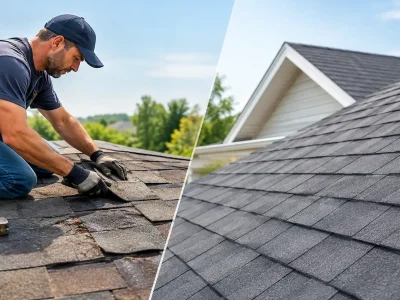
This is the question most coastal homeowners eventually face, and the answer depends on where the trouble is. If the problems are in the metal parts, such as corroded flashing or a failing vent collar, a targeted repair often adds years of life. Flashing can be replaced without tearing off the whole roof.
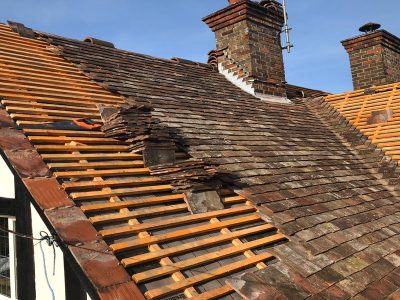
Widespread granule loss, curled or cracked shingles, or repeated wind damage across several slopes point the other way. At that stage, patching usually just postpones the next leak. A replacement also lets you upgrade to peel and stick underlayment along the eaves and valleys, better fasteners and a stronger nailing pattern, which matter a lot on the coast.
A good contractor will give you a straight answer either way. Be careful with anyone who recommends a full tear off for a roof with one bad flashing joint, or who suggests patching a roof that’s clearly worn out.
Living With the Ocean
Owning a home near the beach means accepting some extra wear. Salt, wind, sand and moisture affect every exterior material, and the roof gets the most exposure because it faces all of them every day.
You can’t stop that, but you can manage it. A seasonal inspection schedule, corrosion resistant materials, good attic ventilation and quick action on small problems go a long way toward keeping a shore roof dry and lasting.





Comments